















From Survival to Sustainability for Impact Incubators
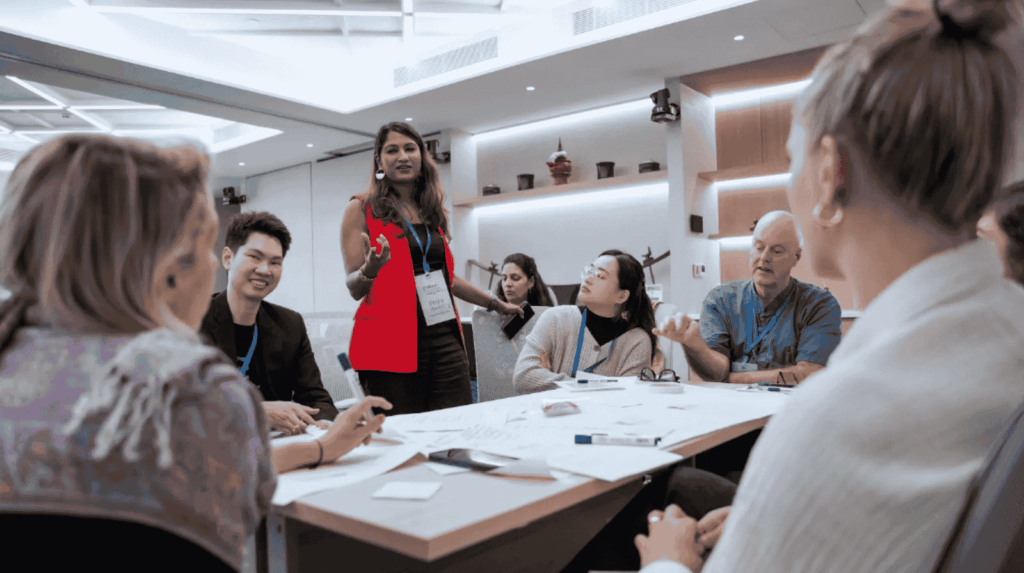
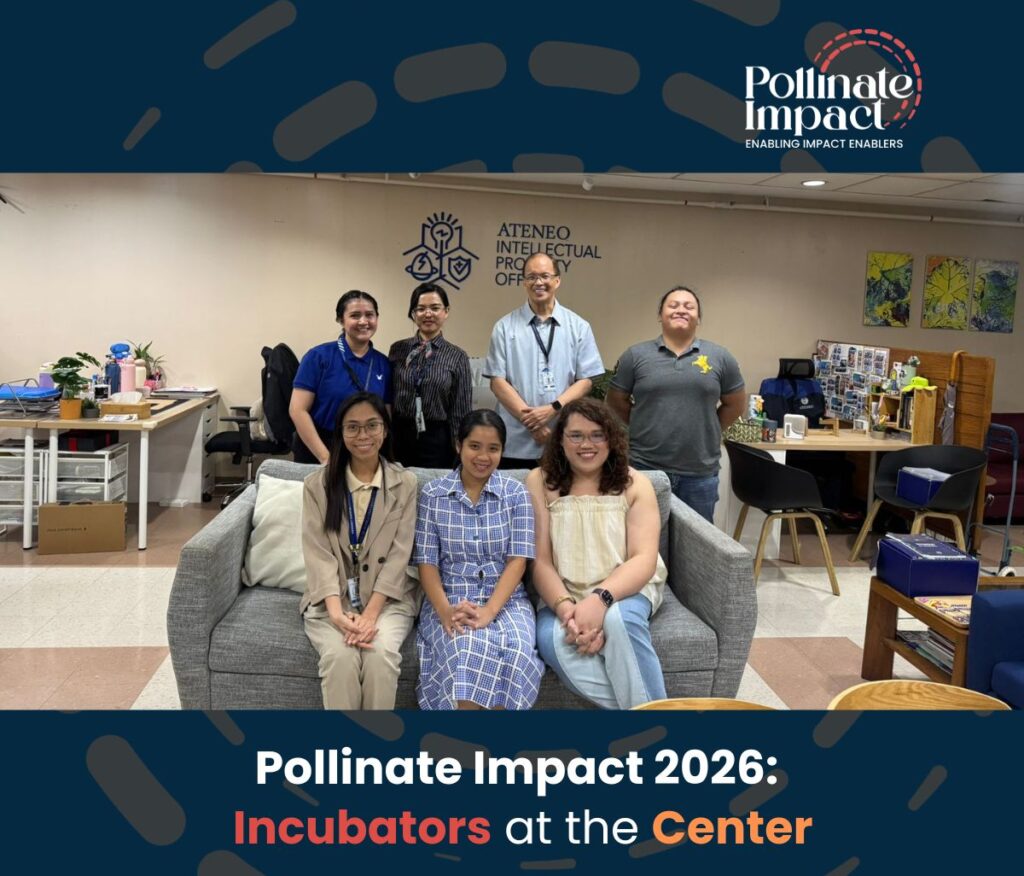
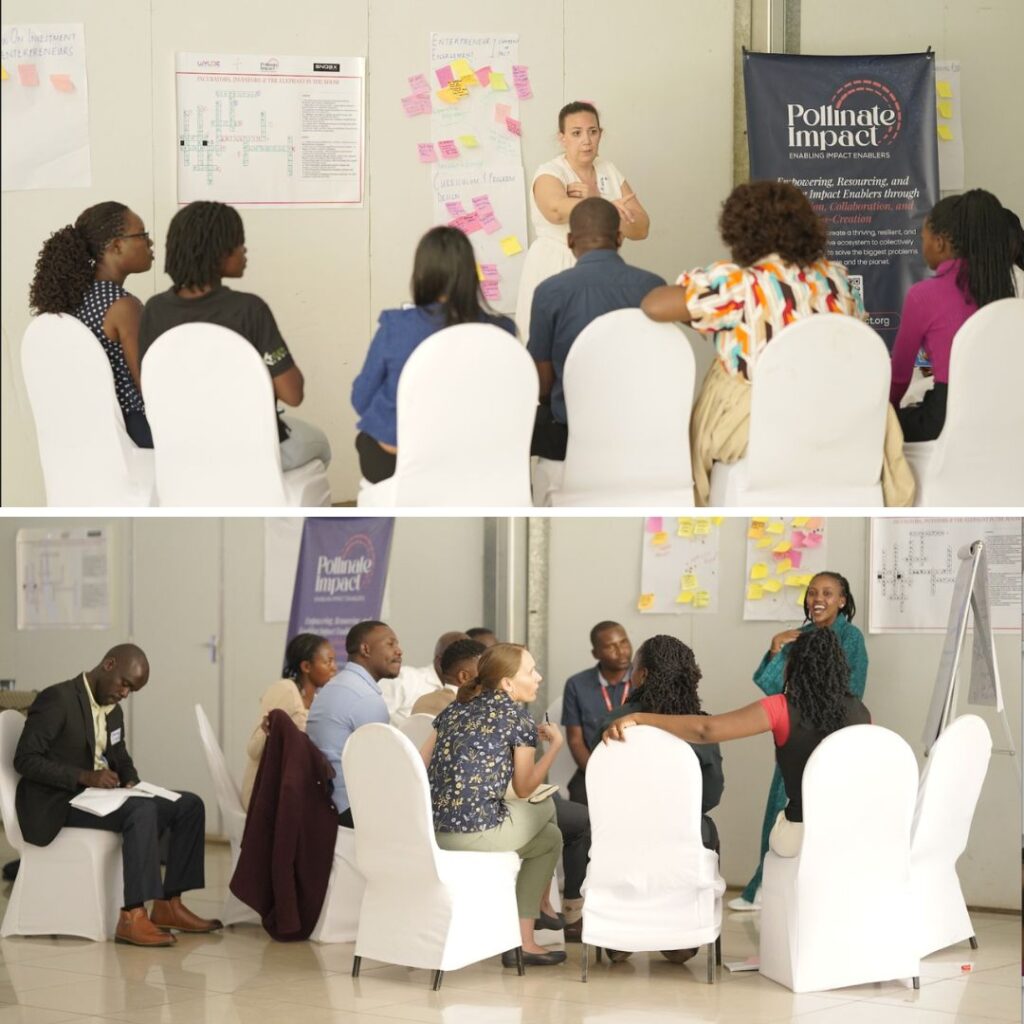
(Pictured above; Pollinate Impact members having a conversation at the South East Asia Potluck. Photo: Pollinate Impact.)
New research focuses on how to ensure resiliency and long-term success for incubators and accelerators in the Global South
Impact incubators and accelerators play an important role in supporting an entrepreneurial ecosystem that addresses social and environmental challenges. But they’re under stress, particularly in the Global South, due to systemic challenges and a changing funding landscape.
Pollinate Impact, a member-led network of social impact incubators operating in the Global South, has embarked on a major research initiative to help both incubators and funders bolster the sustainability and the impact of their efforts. They’ve started by examining the issue of financial stability and effective funding models.
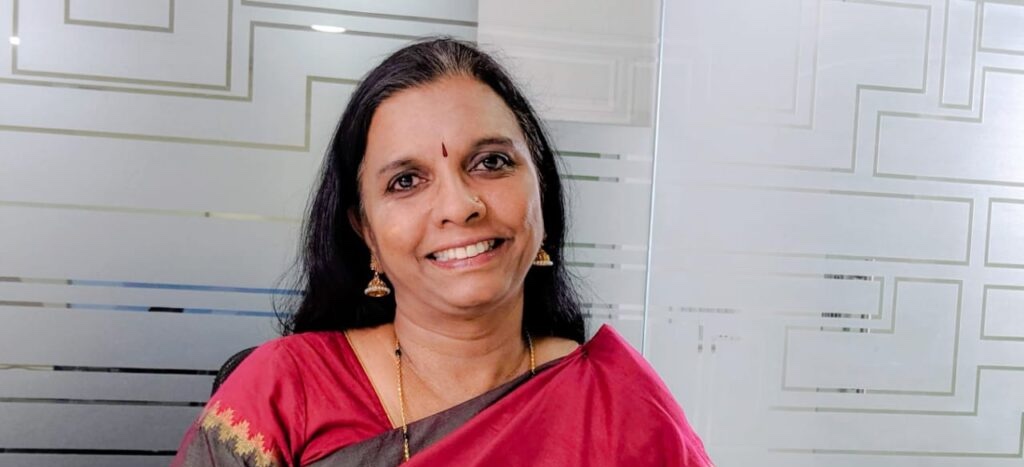
We recently spoke with Himakshi Chaudhary, Research Weaver for Pollinate Impact, about the kinds of questions they’re asking — and how to build a better evidence base and shared learnings around what works for the Global South incubator ecosystem.

Why did Pollinate Impact start this research journey for incubators in the Global South, and what problems are you trying to solve?
We kept hearing the voices of our members and from our donors that there is a problem that needed to be fixed. At an incubator level, our members told us that they are struggling financially. One of the incubator leaders told us that she’s so worried about the financial health of her incubator that she can’t sleep at night. And when we kept hearing these stories again and again — different incubators in different geographies talking about the same issue — we wanted to get to the root cause of that.
The key problem is why incubators are still so dependent on donors and are not able to diversify their funding streams. This is a deep-rooted issue that we wanted to fix, but it requires evidence at a deeper level, so that’s why we started researching.
How are you conducting research into the issue of financial stability for incubators?
First, we explore what evidence exists in publicly available literature sources, and then we analyze it to see what the gaps are. For example, when we were writing a literature review on financial sustainability, we saw there were multiple reports talking about the types of revenue streams available to incubators. But none of these reports talked about how incubators do in the long term, how did their revenue mix change? Were these changes because of the COVID pandemic or because of a donor pullout? We realized that we needed to study this, and that is what brought our primary research into focus.
And while we conduct quantitative research, there is always a qualitative insight that might be behind the curtain. That’s why we also want to hear the voices of the incubator leaders themselves. We want to hear what they have experienced instead of just looking at the numbers. How have they dealt with different situations and unexpected shocks that they have faced — how has it changed their revenue streams, and how difficult or how easy it was for them to transform their operations?
We are trying to analyze what actually makes or breaks incubators, so that at the end of this research, we can actually give them useful insights — for example: these are the best financial models that exist, why they work, and why they would work for you, or why they would not.
What are the main challenges to financial stability that many incubators are commonly facing, particularly in the Global South?
There are three major challenges we found repeatedly in conversations with our members and in the literature review. First, there is funding precarity — meaning that many incubators are forced to plan around the next grant rather than planning for the next year. This dependency on grants makes long-term strategy very difficult for them. And if the next grant doesn’t come, then they’re left in limbo.
The second challenge is fragmented learning and data gaps, and that’s in part because there is not a common language or a common benchmarking system for incubators. The result is that knowledge and good practices often don’t travel outside of their geography — they remain local, or at max, regional.
Another big challenge was duplication and overlap. Because there are limited funders in this space and the way funding is structured, it results in the inability for incubators to specialize, collaborate, and innovate. As a result, they try to be all things to all entrepreneurs. This leads to “hub hopping” — entrepreneurs circulating through the same system and receiving duplicate support — and thus, incubators are not able to produce the sustained change that is required in the system.
In such a crowded space, all of these issues leave strong, mission-driven organizations unusually vulnerable, and it limits the industry’s ability to mature.
How are you envisioning this opportunity to make change in the incubator industry?
Change does not come before awareness. Right now, a lot of incubator leaders see these problems at a superficial level and they might not understand what’s going on deep inside their own organization. We want to take them from awareness to knowledge, and then eventually towards action. Right now, we are at an awareness stage. And slowly and steadily, we are building this evidence to create more knowledge. And once that knowledge is built, then we move into the change-making phase.
This work is about building a learning culture. If we want the impact incubation industry to move from merely survival mode to sustainability, we need to treat practitioner knowledge as a collective asset and invest in systems that allow this knowledge to shape decisions. That’s the shift that I hope these conversations and this research contributes to.
In this current environment, what are the most important elements for incubators to be successful?
It’s a pivotal moment of change geopolitically, and Global South incubators are really vulnerable to these shifts. Incubators want to be resilient to any shocks in the system. But an incubator can be operationally strong and resilient only when they are sustainable, they are financially grounded, and they don’t have to depend on anyone else for their operations.
And this is possible only when incubators are bound by a strong, collective, and collaborative community that provides them a stage to not only network, but also build solid relationships with each other. As we always say at Pollinate Impact: “If you want to go fast, go alone, but if you want to go far, go together.”

Important Disclaimer: The content on this page may include links to publicly available information from third-party organizations. In most cases, linked websites are not owned or controlled in any way by the Foundation, and the Foundation therefore has no involvement with the content on such sites. These sites may, however, contain additional information about the subject matter of this article. By clicking on any of the links contained herein, you agree to be directed to an external website, and you acknowledge and agree that the Foundation shall not be held responsible or accountable for any information contained on such site. Please note that the Foundation does not monitor any of the websites linked herein and does not review, endorse, or approve any information posted on any such sites.