






The Courage To Invent
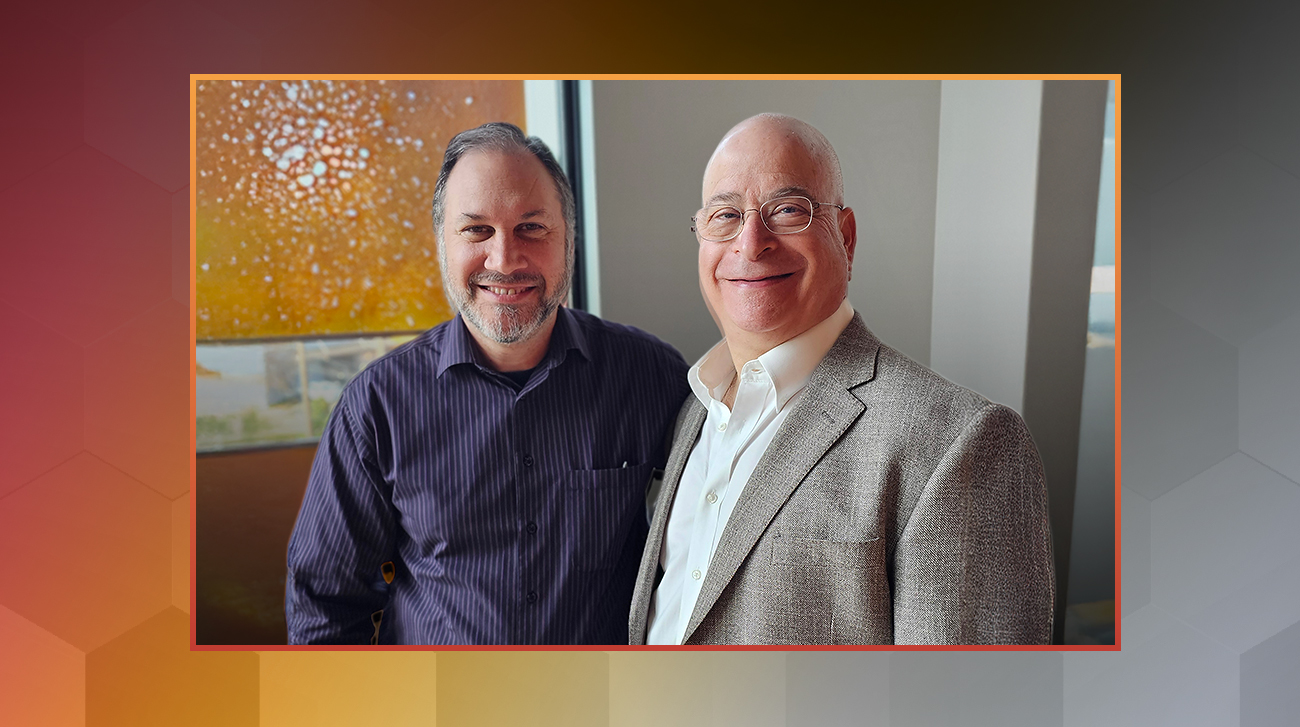
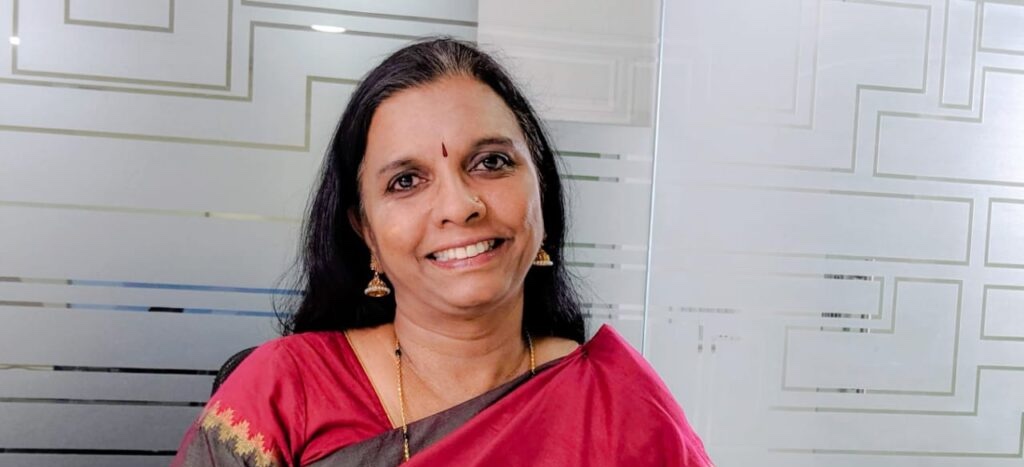
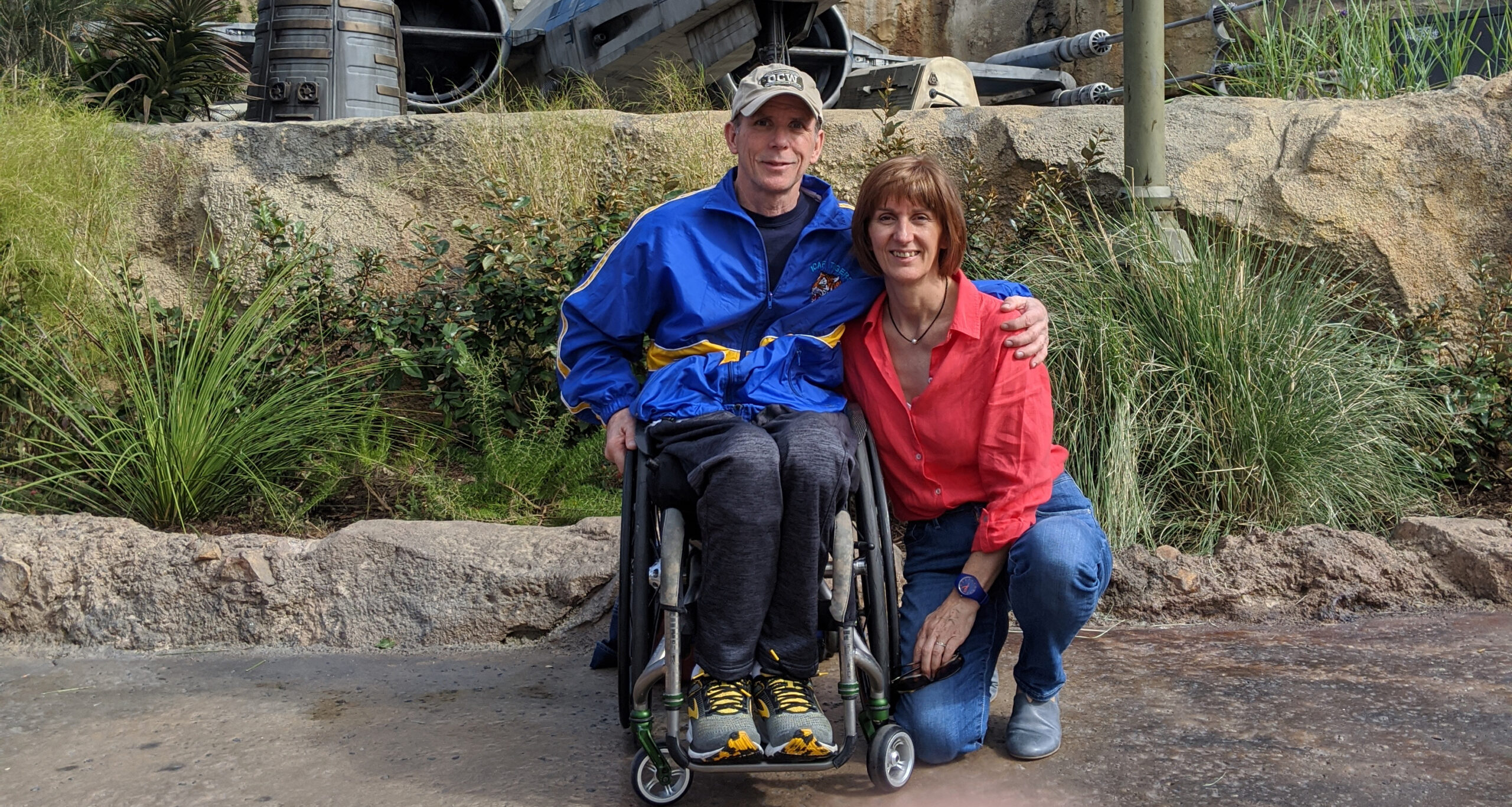
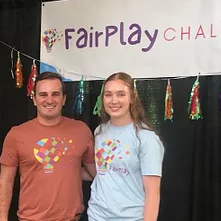
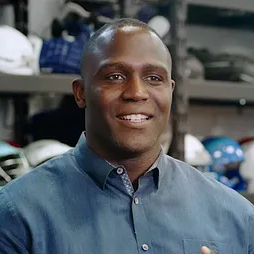
A joint perspective by Rob Schneider (left), Executive Director of The Lemelson Foundation, and Phil Weilerstein (right), President and CEO of VentureWell, on 30 years of inventing a sustainable and equitable world.
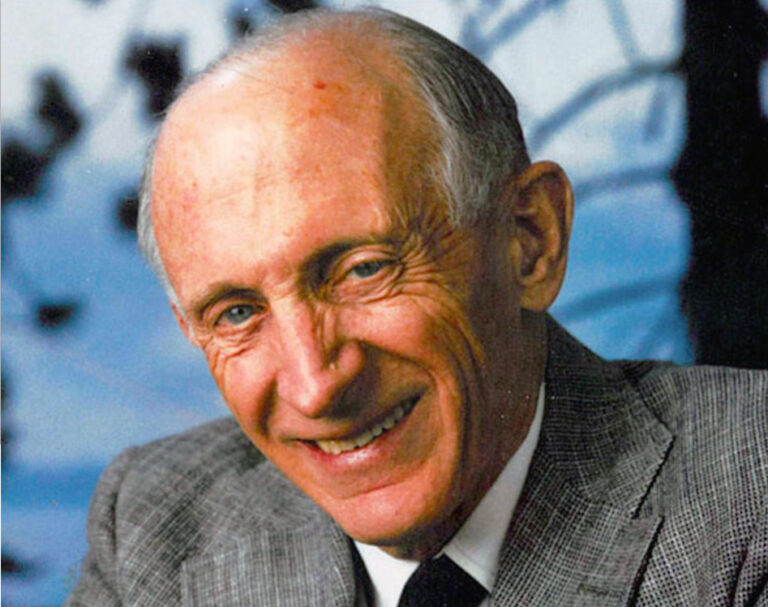
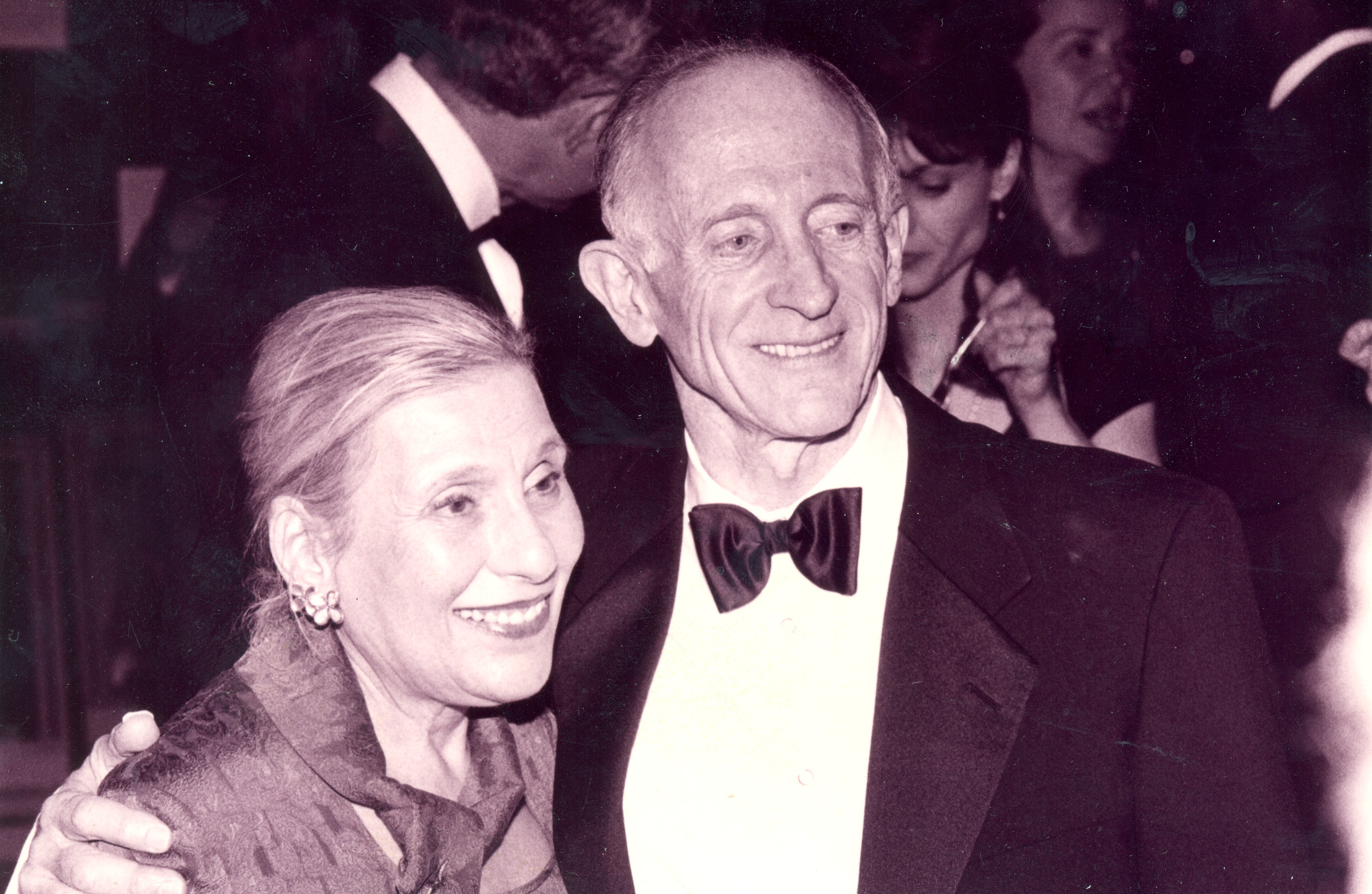
In 1995, a deceptively simple thesis emerged from a meeting at Hampshire College. Jerome “Jerry” Lemelson, one of history’s most prolific independent inventors, met with his sons, Rob and Eric, to consider a new way to cultivate the next generation of problem-solvers. A young scientist-entrepreneur by the name of Phil Weilerstein took on the challenge that emerged from a compelling question: What if we treated invention not as a stroke of individual genius, but as a collaborative discipline that could be taught, mentored, and scaled?
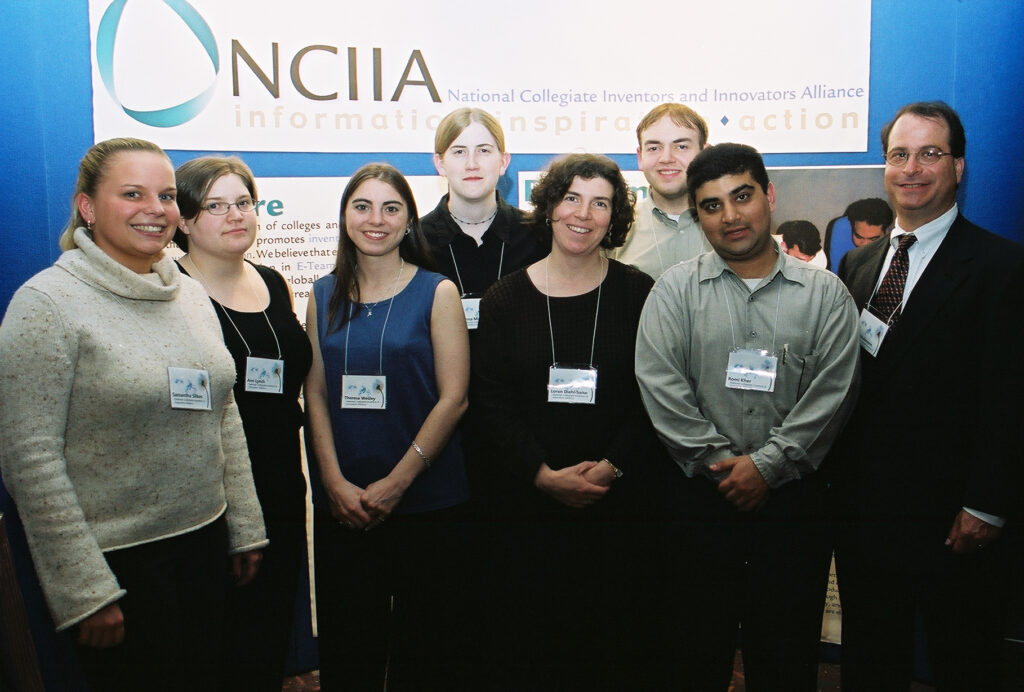
From that meeting came the National Collegiate Inventors and Innovators Alliance (NCIIA), now known as VentureWell. What began as a seed of an idea has grown into a generative organization that has fundamentally redefined thinking about who can be an inventor and how they get there. As National Inventors’ Month 2026 begins, it offers an opportunity to take stock of what that spark has ignited and where it might lead next.
The Architecture of Agency
For more than three decades, our organizations have had front-row seats to new approaches to invention in practice: early ideas taking shape in classrooms and labs, founders navigating the ups and downs of the entrepreneurial journey, and technologies evolving into tools that meet urgent needs. What this vantage point makes clear: invention is rarely linear, and it is rarely easy.
To invent is, at its core, a courageous act. Inventors must sustain effort through inevitable setbacks that others may never see. They must be willing to take risks in pursuit of solutions and embrace uncertainty ahead of convention, committing to paths where success is far from guaranteed and failure is often part of the process. The agency to invent demands discipline and persistence. These are not abstract qualities; rather, they define the day-to-day reality of building new solutions, especially when problems are complex and the stakes are high.
The Lemelson Foundation’s fundamental support of VentureWell paved the way for an inspiring trajectory of impact:
- 20,500+ early-stage innovators trained
- 6,700+ ventures launched
- $9.0B+ in funding raised by VentureWell-supported ventures
These aren’t just statistics. They represent life-changing solutions in biotechnology, healthcare, and sustainable energy that have improved the lives of millions of people worldwide. Implemented in partnership with organizations like the National Science Foundation, the National Institutes of Health, and the National Oceanic and Atmospheric Administration, this work demonstrates at scale how a philanthropic vision can power an organization that activates, supports, and connects tens of thousands of inventors.
What This Moment Demands of Invention
Looking toward the next 30 years, we shape our focus through what remains to be done, who will help shape it, and the opportunities ahead to address the challenges of our time. Issues stemming from health inequities, climate pressures, and resource constraints do not exist in isolation, and neither do their solutions.
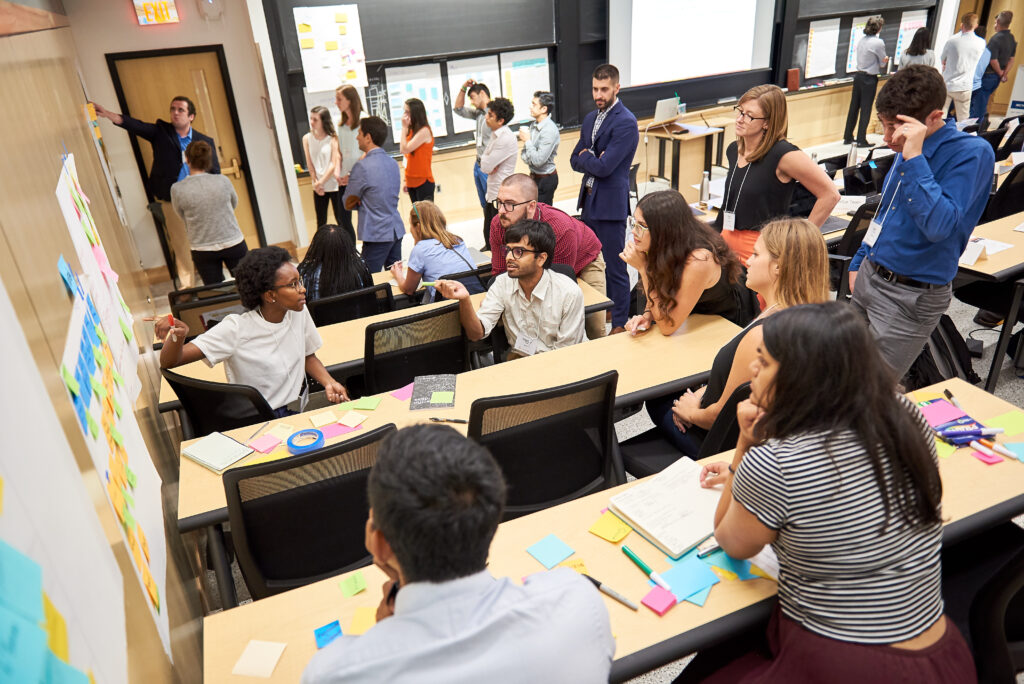
To solve the world’s most difficult problems, we need the perspectives of those who have lived them. Equitable access remains central to whether invention can meet the needs of the moment. It cannot be limited to a narrow set of voices or experiences. Too often, when participation is limited, the solutions are too. Talent is universal, but the ecosystems of support have historically not included everyone.
For both VentureWell and The Lemelson Foundation, this commitment to accessibility is rooted in Jerry Lemelson’s legacy. He recognized that 21st-century challenges would require more than lone geniuses working in garages. He envisioned a more inclusive path for inventors and understood that addressing society’s most pressing problems begins with widening the pathways to invention. The more people who can step into this work, the stronger our collective capacity to create relevant, creative, and durable solutions.
We have reason to be optimistic. In 2026, we recognize that an invention is only as good as the world it leaves behind. The next generation of inventors is approaching this work with responsibility and possibility, with problem-solvers who see global challenges — from the climate crisis to healthcare disparities — as urgent calls to action. They are designing with communities at the forefront, asking more expansive questions, and setting a higher standard for what innovation should achieve.
A Call to the Next Generation
The work and impact realized by VentureWell over the past 30 years — made possible by the support of The Lemelson Foundation — stand as a testament to what happens when we invest in human potential. National Inventors’ Month is more than a celebration of past patents; it is a call to action. It reminds us we are all architects of the future.
Some of the most important inventions of the next decade are still in progress — we can’t see them yet. The person building them may not even call themself an inventor yet. And so the work continues: expanding access, supporting those willing to take the risk, and ensuring that invention remains rooted in intention. It is how we carry forward a legacy, and how we will shape what comes next.
Throughout the month, we invite you to follow our campaign as we spotlight the VentureWell changemakers who are turning bold ideas into real-world impact — improving lives and building a more resilient future for us all.
Rob Schneider has served as Executive Director of The Lemelson Foundation since 2021, leading its mission to improve lives through sustainable, social-impact invention. Joining the Foundation in 2018 as Senior Director of Strategy, Rob brought extensive experience across the public, private, and nonprofit sectors. His previous roles include leading public-private partnerships and impact investing at USAID, where he launched the PACE initiative for global entrepreneurship. Earlier in his career, Rob held various engineering and product development leadership roles. He holds an MBA and a Master of Urban Planning from the University of Michigan and a BS in Industrial Engineering from the University of Illinois.
Phil Weilerstein has led VentureWell since its founding. From the beginning, Phil’s focus for VentureWell has been to help bring socially beneficial applications of STEM inventions to market. He has accomplished this goal by designing and overseeing programs that encourage curricular innovation and student venture creation, provide resources for faculty and student entrepreneurs, and develop community through conferences and workshops for faculty and students. This work builds on his experience as a founder of a biotechnology venture with colleagues from the University of Massachusetts to create better and more inclusive pathways for science and technology inventions to reach scale and have a beneficial impact on society.