


















Building an Innovation Ecosystem for Entrepreneurs in Africa
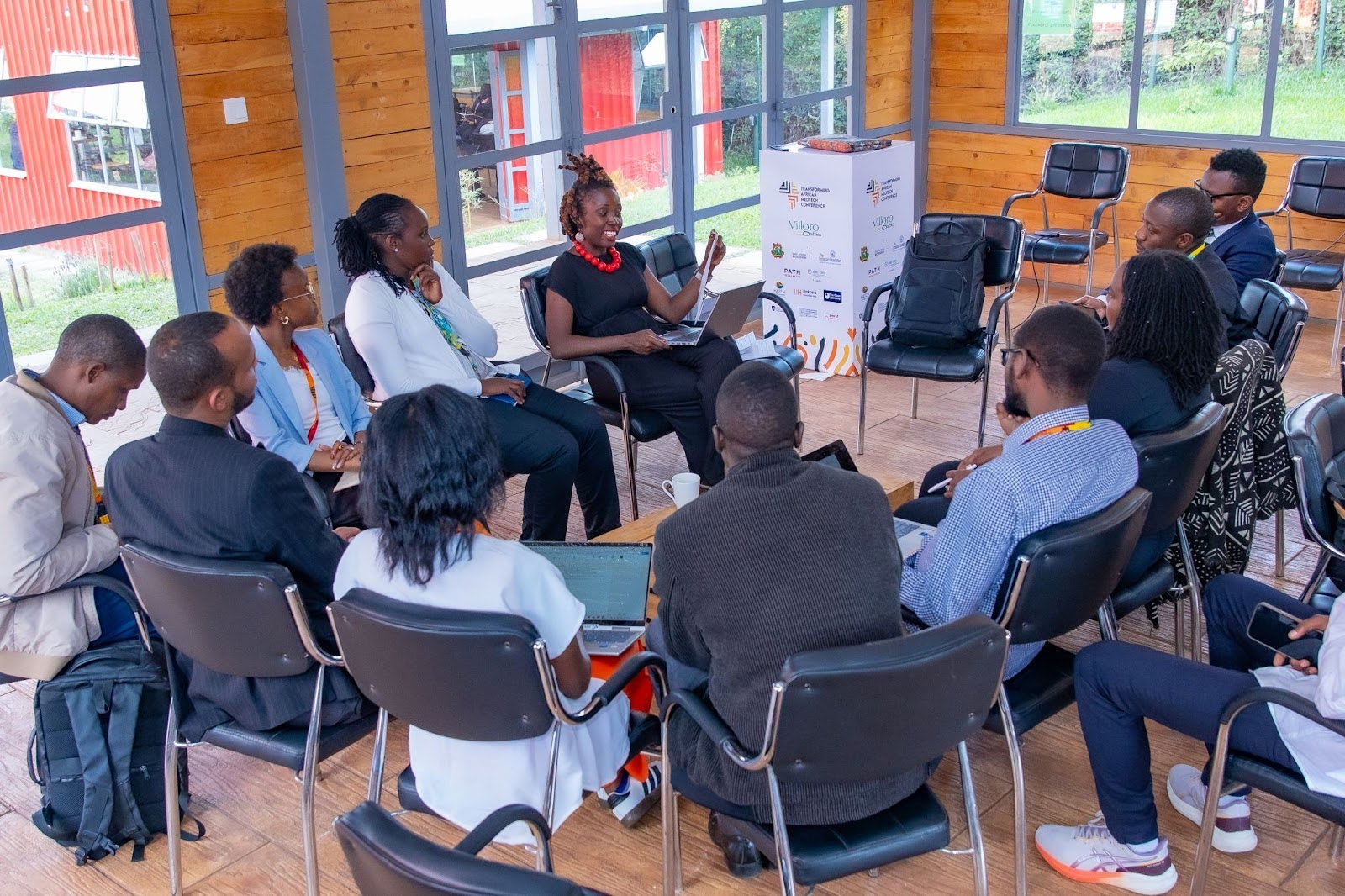
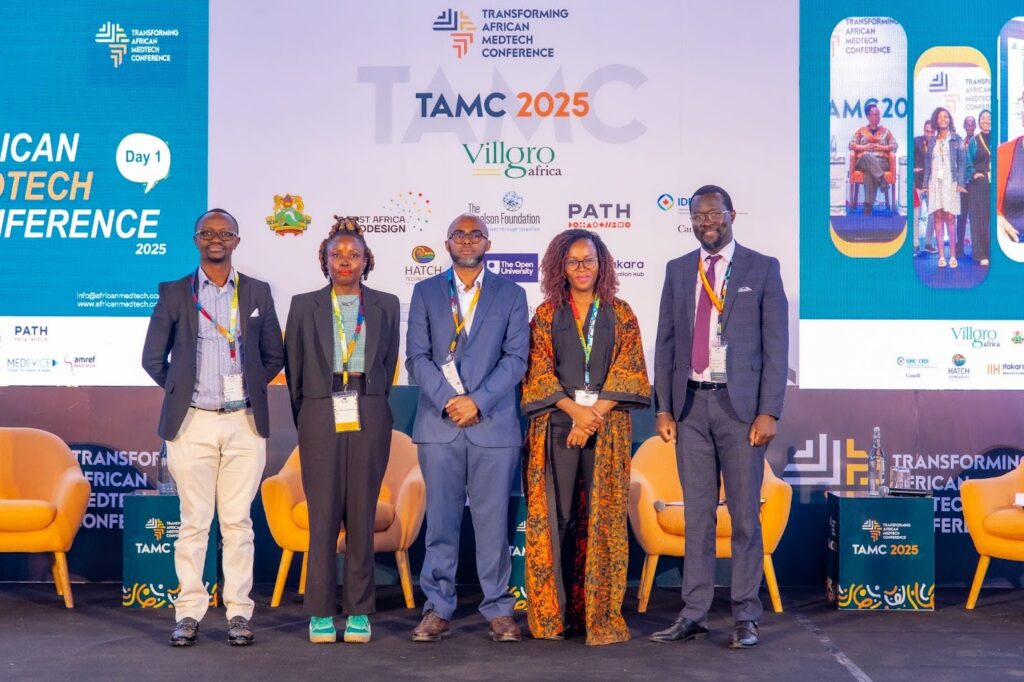
(Pictured above: Khatuchi Khasandi (center) speaking to a group at the 2025 Transforming African MedTech Conference in Nairobi, Kenya.)
A leader in African entrepreneurship shares how funders can support innovation-based enterprises in Kenya
In Africa, Kenya is among the leading hubs for tech-based entrepreneurship. But it’s also home to a more nascent research-based innovation ecosystem, producing small and growing businesses focused on social impact and solving development challenges. Despite its great potential, there remain challenges for this ecosystem’s growth — factors like derisking investment in startups developing novel solutions, engaging universities in commercialization, and fostering supportive government policies.
The Kenya Innovation Ecosystem Funders Forum (KIEFF) is providing a bridge for all of these needs, facilitating learning and promoting best practices, and coordinating the funding needed to create a thriving innovation ecosystem. KIEFF also acts as a trusted, expert intermediary between funders that provide critical resources, and governments that shape enabling policies and regulations.
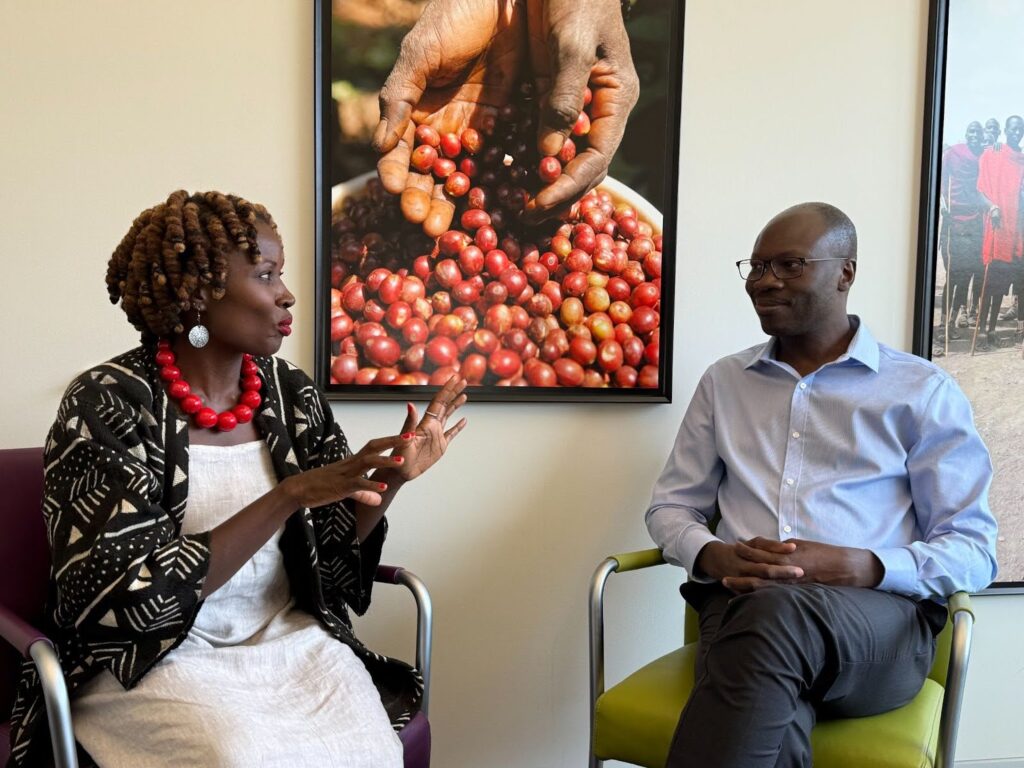
At the helm is Khatuchi Khasandi, the coordinator of KIEFF based out of Nairobi. She works as an ecosystem weaver, supporting the network to align resources to achieve more together, and to foster an enabling environment for research-based innovation to translate into sustainable businesses. She also keeps an eye on driving inclusive, system-level change — ensuring innovation translates into equitable development and sustainable growth.
We recently spoke to Khasandi about the work of KIEFF and why she’s excited about the opportunities for innovation and entrepreneurship in Kenya.
This interview has been edited for length and clarity.
What brings you to this work and why are you passionate about it?
In my past life, I used to lead the Aspen Network of Development Entrepreneurs East Africa chapter. In that capacity, we created spaces for multiple stakeholders to come together and provide the kind of support needed for small and growing businesses to thrive at a global scale.
Because of the global focus, I previously had limited engagement with local governments and universities, even though they are critical to sustaining the innovation ecosystem. KIEFF excites me because it gives me the chance to work closely with these stakeholders, align efforts with national priorities, and support the growth and scaling of homegrown innovations.
What does the current Kenyan innovation landscape look like at the university level?
For the past three years, we’ve had a lot of programming that has been supported by the different funders within KIEFF to strengthen the innovation and entrepreneurship environment within universities. We are starting to see results around the innovation and entrepreneurial culture that is being embraced more in these universities — and KIEFF members have expanded this support to enable more universities to participate in the institutional support program.
We’ve also seen that universities have innovations that are emerging with very early traction. Now there is a need to scale successful commercialization bridging programs that enable these research-based innovators to create and refine their products, develop their skills, and build business models to scale their innovation.
What about on the funder level?
As all the initial work is happening at the universities, the commercialization bridging programs led by partners outside of the university system are starting to experiment with venture building programs that can derisk this research-based innovation, enabling other partners within the broader entrepreneurial ecosystem to potentially start perceiving these emerging pipelines as viable.
While most KIEFF funding comes from foreign sources, the government — through KeNIA [Kenya National Innovation Agency] — is exploring an innovation fund to complement the National Research Fund and existing foreign support, further derisking startups and enabling additional funders to accelerate their growth.
Describe the potential of research-based innovation and entrepreneurship in Kenya to solve development challenges in areas like agriculture and health.
Indeed, we have already seen strong examples of how research-based innovation supported by KIEFF members is helping to address critical development challenges in Kenya.
For example, a company like Aflasafe has actually helped reduce harmful fungal aflatoxins in some of our staple foods like meats and sorghum, lowering the risk of liver cancer and stunted growth among children. Innovations like Vaccibox have helped provide safe storage for vaccines in off-grid areas, increasing the coverage of immunization within the country. And then we have companies like Terik Foods & Nutraceuticals that have been at the forefront of supporting early childhood development by ensuring that the porridge that children have access to has been fortified with nutrients for their growth and to help with deworming. The list can go on and on.
What are some of the potential barriers or challenges to achieving research-based innovation and entrepreneurship in Kenya?
A lot of research-based innovators have very good technical skillsets, but do not have the complementary business skills. We do have a lot of accelerator programs in Kenya that have great capability at supporting business skills, but sometimes not for technical founders.
Another challenge is that for a research-based innovator to transition and commercialize their innovation, they need to invest a lot more time into that process. That may mean taking a sabbatical from the university to implement their product, and we do not have good or clear policies around that. Sometimes it may require you to resign from your job to do this work full time. But in a market characterized by high unemployment and limited formal job opportunities, it’s often not possible for people to step back from their job and take this risk, not knowing if it would work or not.
I would also add that the existing intellectual property policies at the institutional level can be very prohibitive. If you’re a researcher and you’re using the facilities of the university to develop an innovation, some of the policies dictate that the university owns 100% of that innovation. That becomes very discouraging for research-based innovators to invest time and money to build out a product where the institution might actually end up owning it.
What are some of the key challenges that the broader Kenyan innovation ecosystem is facing?
Number one is the lack of a national intellectual property policy framework. This would be really fundamental to ensuring that universities or institutions have a national framework to adapt and work from.
The second barrier I would highlight is limited availability of local funding. We do have funding — even if it’s not coordinated through a national innovation funding framework that supports innovation within the ecosystem — however, a lot of this money tends to come from outside of Kenya. We see a need for us to develop local funding mechanisms that can work together with the foreign money so that together we can build a resilient ecosystem.
Thirdly, I would say that we have a few efforts to measure the outcomes of the local innovation ecosystem — like the Kenya Innovation Outlook Report — but I think there is an opportunity to strengthen the measurement framework by establishing collective metrics and improving the coordination of data collection and reporting. This would provide a clear picture of how each actor contributes and how the ecosystem is progressing as a whole.

What makes Kenya a great place for funders to help generate and support innovation?
Having a common agenda that diverse partners coalesce around makes Kenya a very prime location for doing innovation ecosystem work, and especially given that the Kenya Innovation Masterplan already aligns with a lot of existing government plans and other regional plans that govern the East Africa Community.
Just having a group like KIEFF is important, which is already bringing together funders supporting work in the Kenyan innovation ecosystem. KIEFF helps ensure members have a shared understanding of the challenges in the innovation ecosystem. Therefore, the support that they provide is very complementary to each other and is coordinated in a way that advances our collective impact. A notable example of this coordination was the support of a few KIEFF members in piloting diverse aspects of the Technology Transfer Office as a Service platform, which provided centralized technology transfer support to innovations emerging from Kenyan universities and research institutions
There are many ongoing experiments testing commercialization bridging models, with a few KIEFF members investing money in these pilot projects. We expect to see results in the next year or so, creating opportunities to scale what already works. KIEFF members have already played a catalytic role, and so new partners entering the Kenyan market can help scale these best practices.
How has Kenya been collaborating with and learning from other innovation agencies throughout Africa?
One of the funders in KIEFF, the International Development Research Centre, is supporting Innovation Agencies in Africa Network, a pan African initiative that brings together innovation agencies from the African continent and is coordinated by the Kenya National Innovation Agency. Through a platform like that, I see an opportunity for Kenya to export some of the best practices that have been developed around supporting the innovation ecosystem to other markets. But in the process, Kenya is learning a lot from those markets and really has an opportunity to advance and strengthen the ecosystem.
What pillar would you like to see added to the Kenya Innovation Masterplan?
We need a pillar that prioritizes innovation and entrepreneurship culture. This pillar would highlight the stories of Kenya’s innovation ecosystem, especially research-based innovations, and document case studies to inspire future talent and guide institutions yet to participate in existing programs. By capturing and sharing early results, the ecosystem can shape perceptions and strengthen support for research-based innovation.

Important Disclaimer: The content on this page may include links to publicly available information from third-party organizations. In most cases, linked websites are not owned or controlled in any way by the Foundation, and the Foundation therefore has no involvement with the content on such sites. These sites may, however, contain additional information about the subject matter of this article. By clicking on any of the links contained herein, you agree to be directed to an external website, and you acknowledge and agree that the Foundation shall not be held responsible or accountable for any information contained on such site. Please note that the Foundation does not monitor any of the websites linked herein and does not review, endorse, or approve any information posted on any such sites.