














Katharine Burr Blodgett
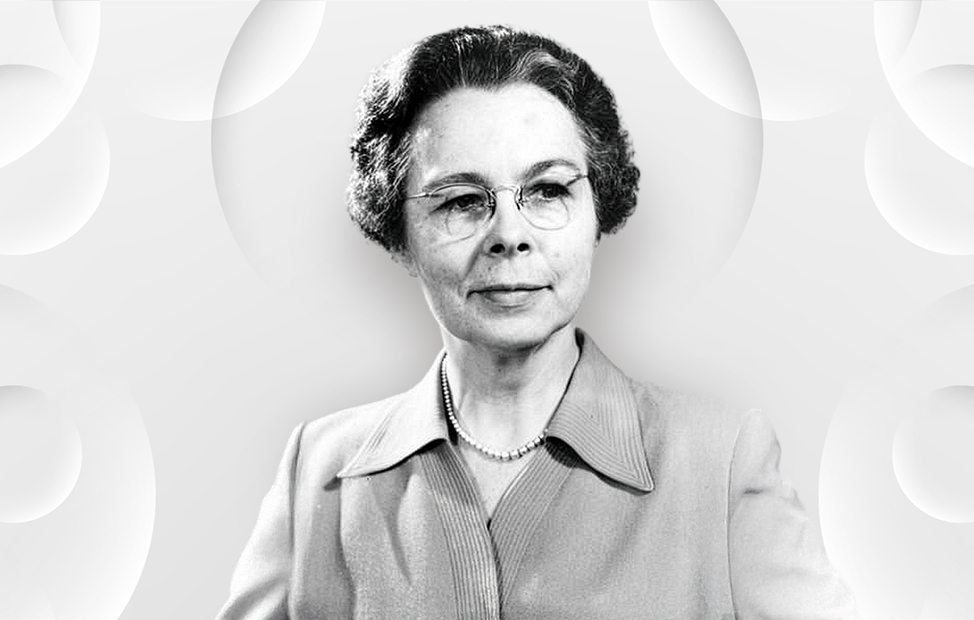
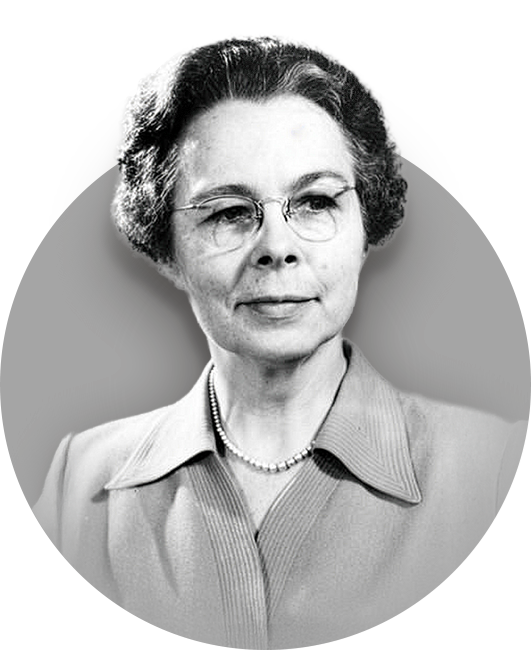
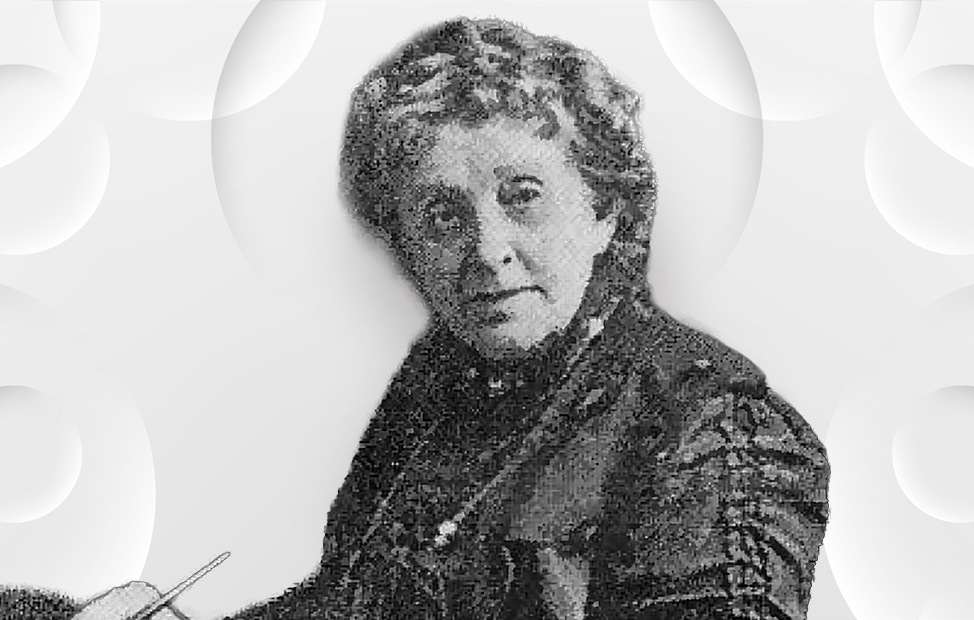
Katharine Burr Blodgett (1898-1979) was a physicist and chemist who invented the process of producing non-reflective glass.
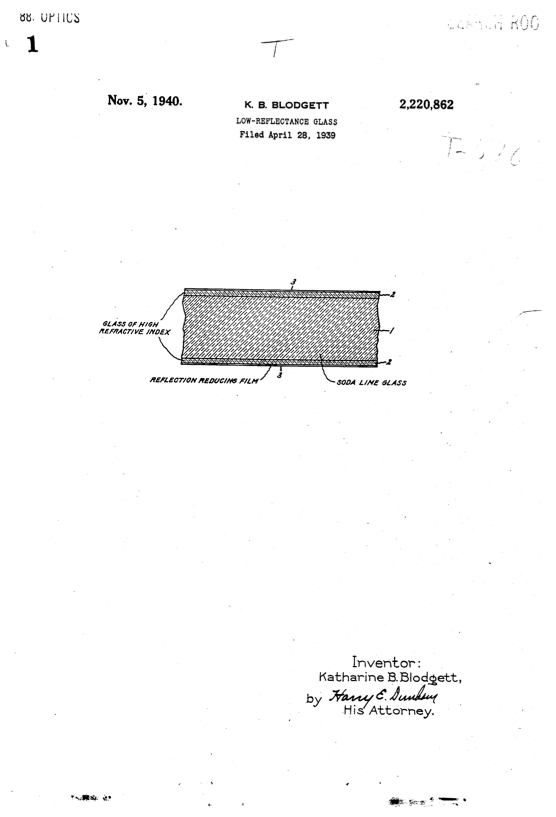
In 1918, she became the first woman scientist at General Electric (GE) Research Laboratory in Schenectady, New York. She later became the first woman to earn a PhD in physics at the University of Cambridge in 1926, and would spend her career innovating and inventing at GE.
Her surface chemistry experiments led to the discovery that adding a thin metallic film could cancel out the reflection of light.
This advancement led to the development of distortion-free lenses and was used to improve eyeglasses, telescopes, camera gear, and even machinery used in World War II.
Her patented technique for “invisible glass” and other molecular coating methods contributed to the photographic, optics, and automotive industries. She also helped develop techniques for de-icing airplane wings and seeding clouds to create artificial rain.