











Annie Easley
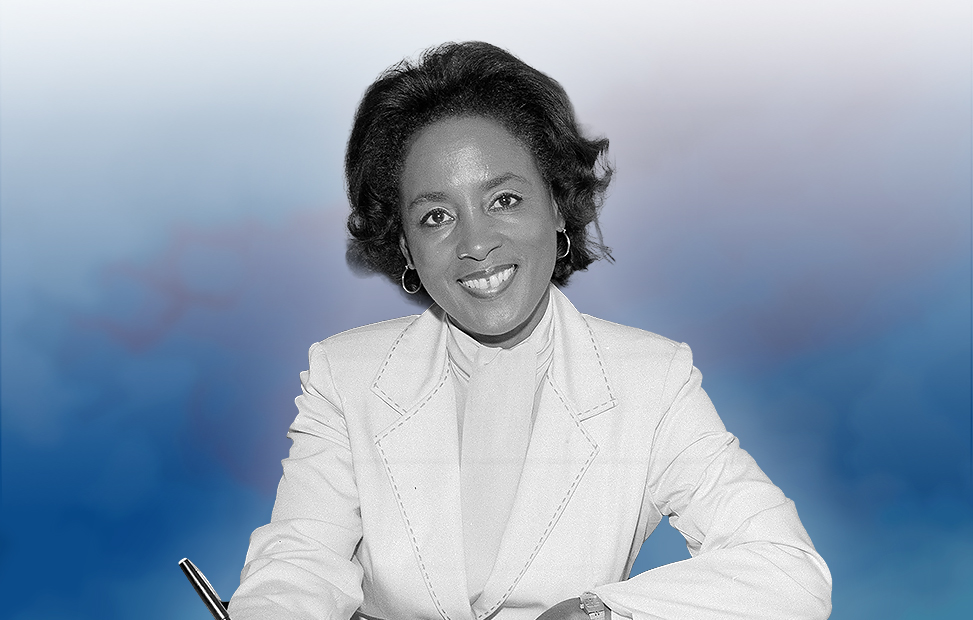
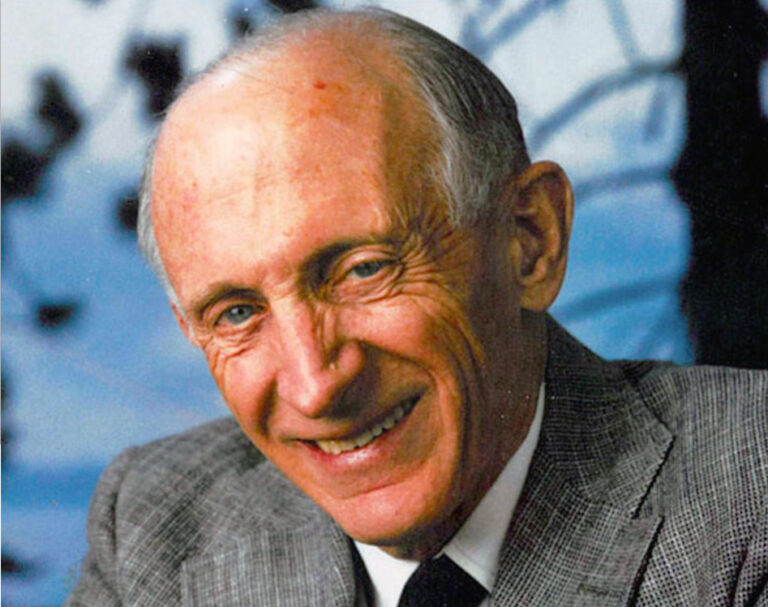
As a child, Annie Easley (1933-2011) excelled at math, but becoming a computer scientist never crossed her mind. She initially pursued pharmaceutical studies before life took her on a different path.
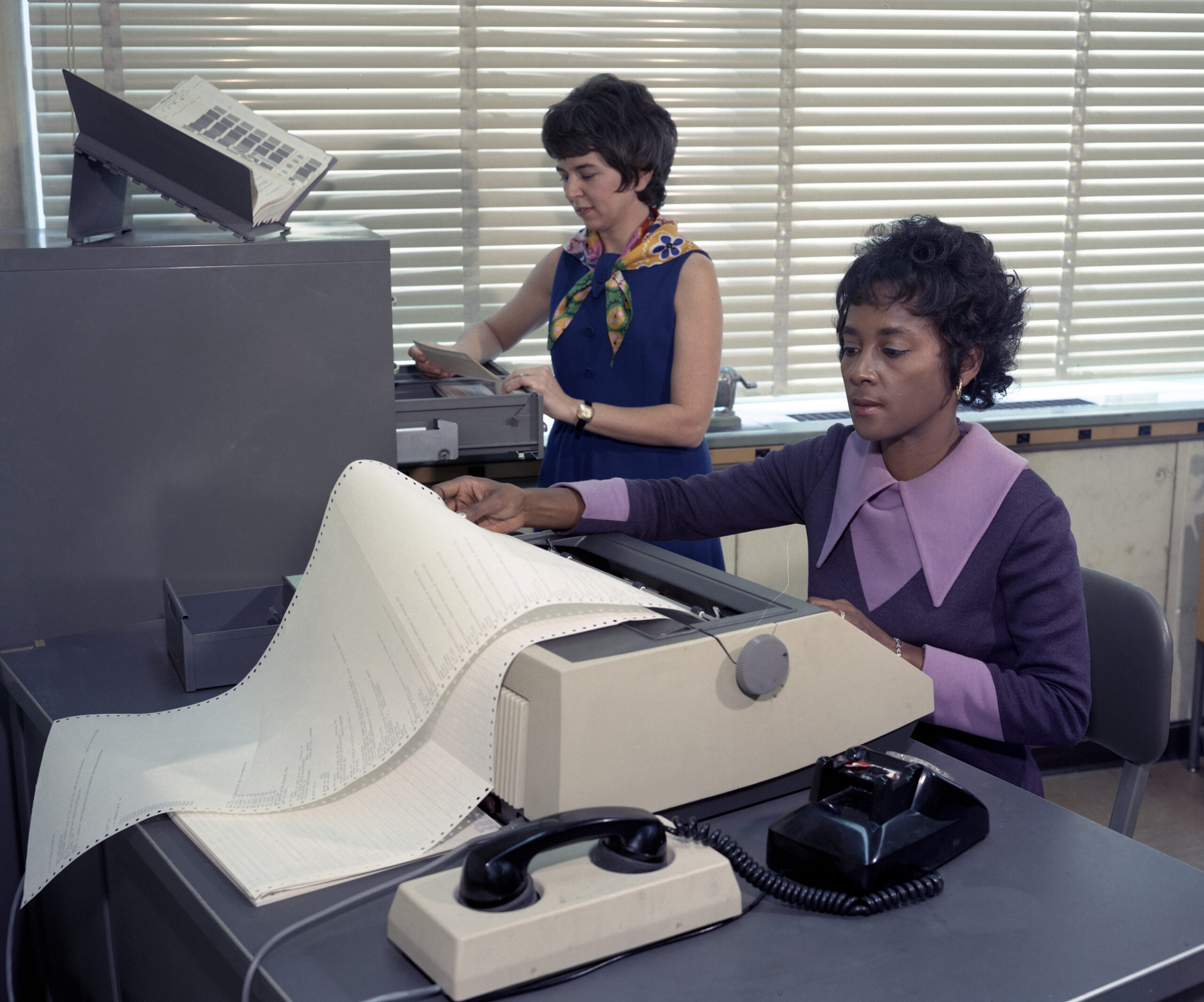
In 1955, she joined the Aircraft Engine Research Laboratory in Cleveland, Ohio, as a “human computer” for the National Advisory Committee for Aeronautics (NACA) — which became NASA in 1958. She was only one of four African-American staff at the Lab.
Her work evolved with the advancement of technology — from solving problems for engineers by hand-writing computations to inputting key-punch cards into computers and analyzing huge printed sheets for answers. She developed and implemented code for energy-conversion systems and analyzing alternative power technology, including battery technology used in early hybrid vehicles and rockets.
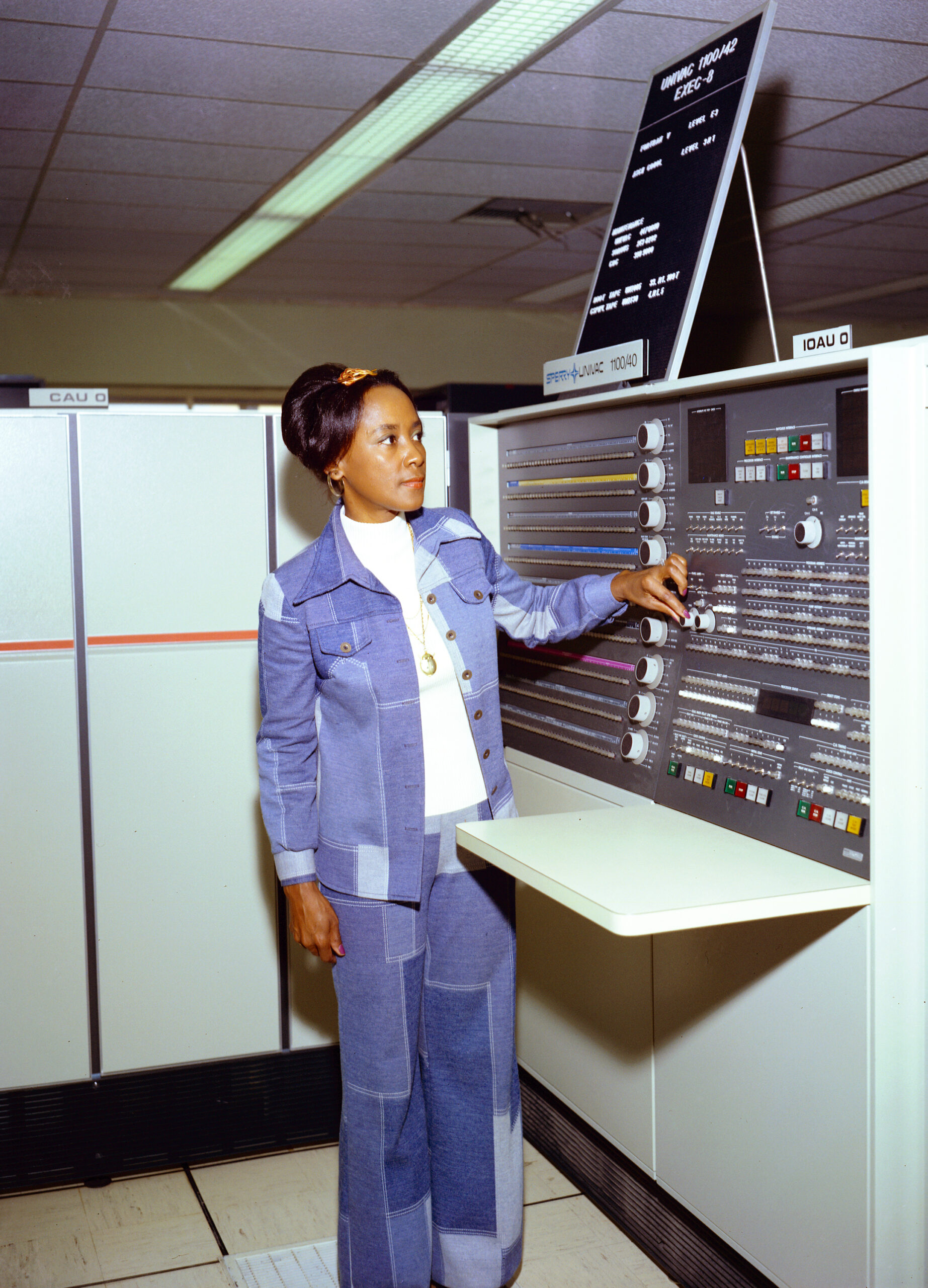
During the 1960s Civil Rights and Women’s Rights movements, she took on an additional role as an Equal Employment Opportunity counselor within NASA. In the 1970s, while continuing to work full time, she earned a mathematics degree from Cleveland State University.
During her 34-year career, Easley became an accomplished computer programmer and mentor. She participated in school tutoring programs and recruitment activities, and served as an active member of the Speaker’s Bureau. She enjoyed connecting with students, seeing rising talent, and encouraging them to adequately prepare themselves for whatever they want to pursue.
Today, her legacy and her NASA oral history interview remain a testament to her contributions to engineering, her hard work, talent, and dedication to her community.