




















Miriam Benjamin
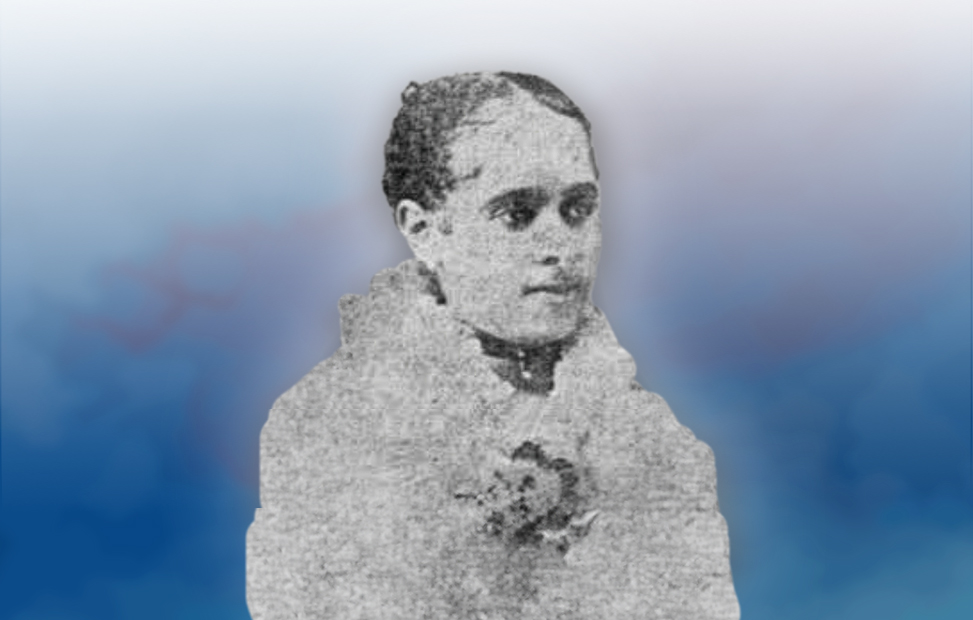
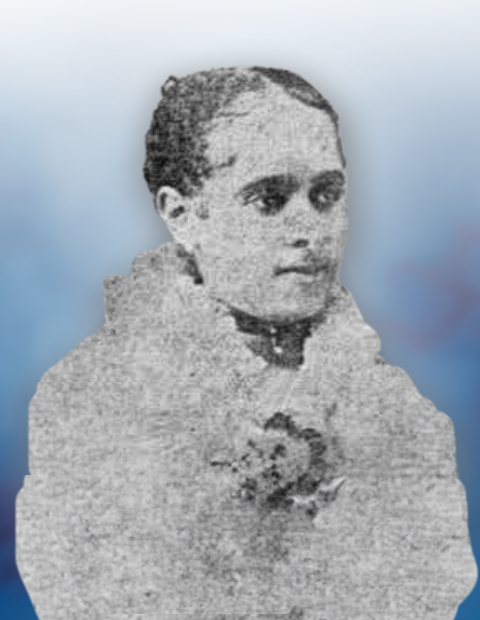
Miriam E. Benjamin (1861-1947) was a barrier-breaking inventor, schoolteacher, and attorney who caught the attention of the U.S. Congress in the 19th century.
Benjamin was born free in South Carolina during the Civil War. She attended school in Massachusetts and began her career as a teacher. She taught in Florida and Washington, D.C., where she was a member of the city’s emerging Black middle class.
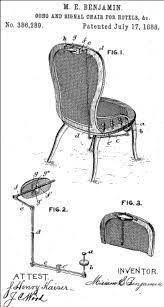
In 1888, she became the second Black woman inventor to receive a patent from the U.S. Patent and Trademark Office for her “gong and signal chair” device. The invention’s users could quietly call for the assistance of an attendant by pushing a button that raises a small signal flag above the chair’s back.
In her patent paperwork, she imagined her design used in restaurants, hotels, and theaters, and lobbied for its use in the U.S. House of Representatives to call for messengers. While Congress ultimately chose another design, her name was read into the Congressional record by inventor and Representative George Washington Murray, a Black member of Congress from South Carolina. Her prototype was sent to Atlanta for the Cotton States International Exposition, where it was displayed as an example of Black business ventures and innovation.
She also studied at Howard University’s medical school and worked as a clerk in the federal government. It is believed she also used the experience from her patent application to become one of the first Black women patent attorneys in the U.S. Her versatility and determination made her a prominent figure who was included on the first list of U.S. Black inventors compiled by patent examiner and civil rights activist Henry Baker at the end of the 19th century.