











George Carruthers
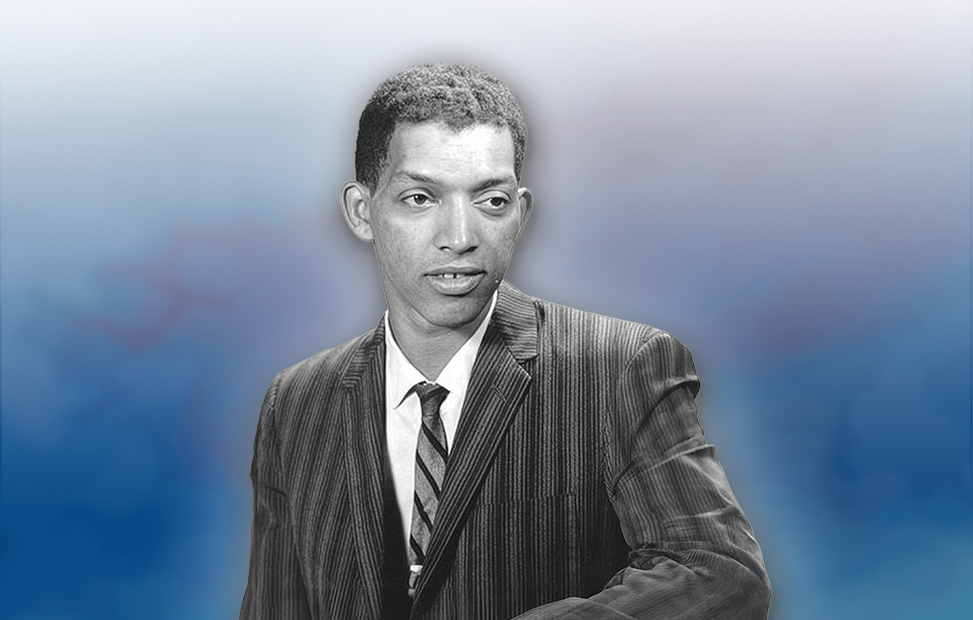
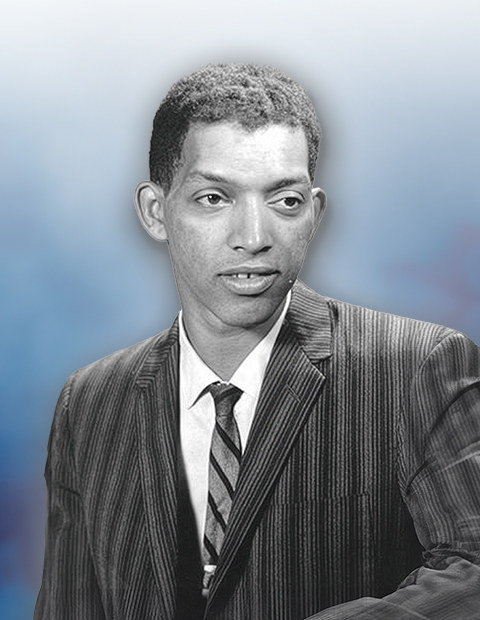
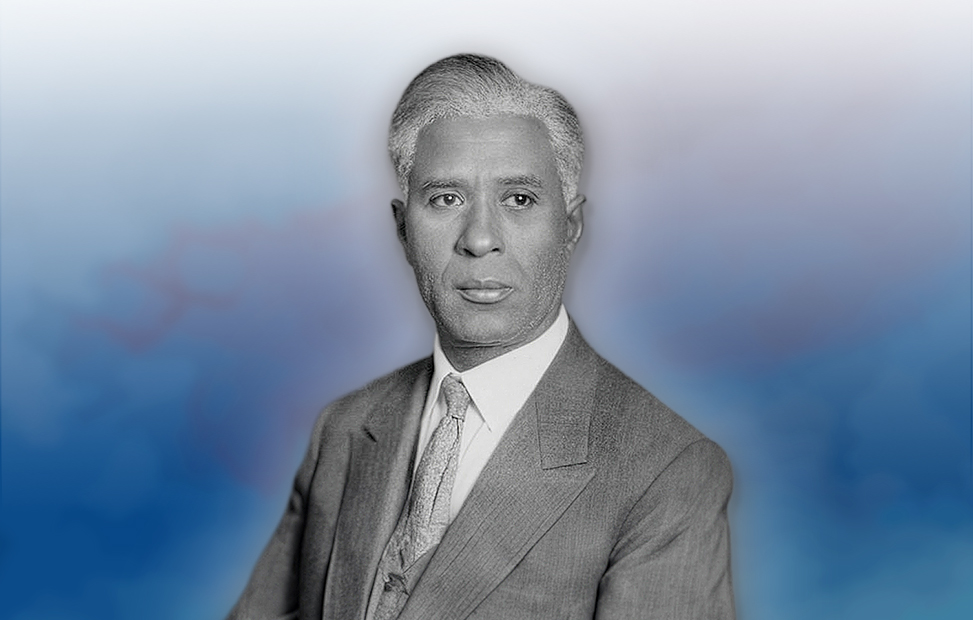
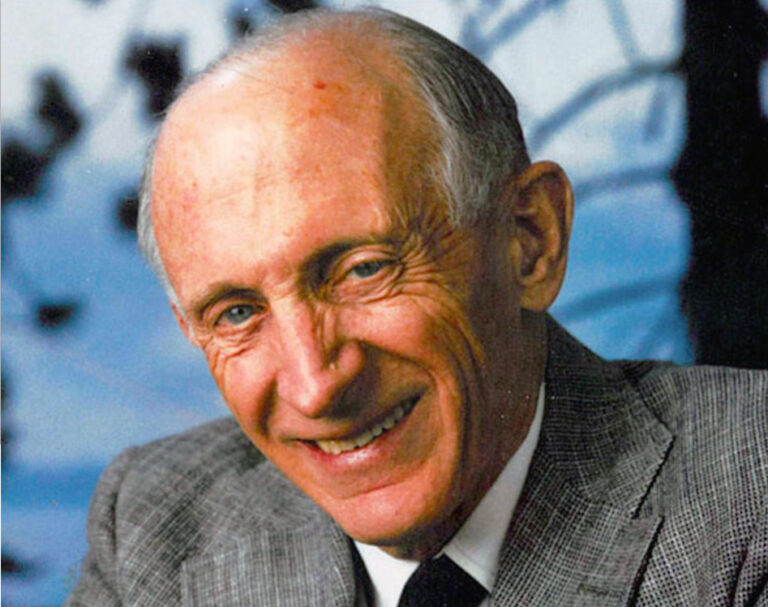
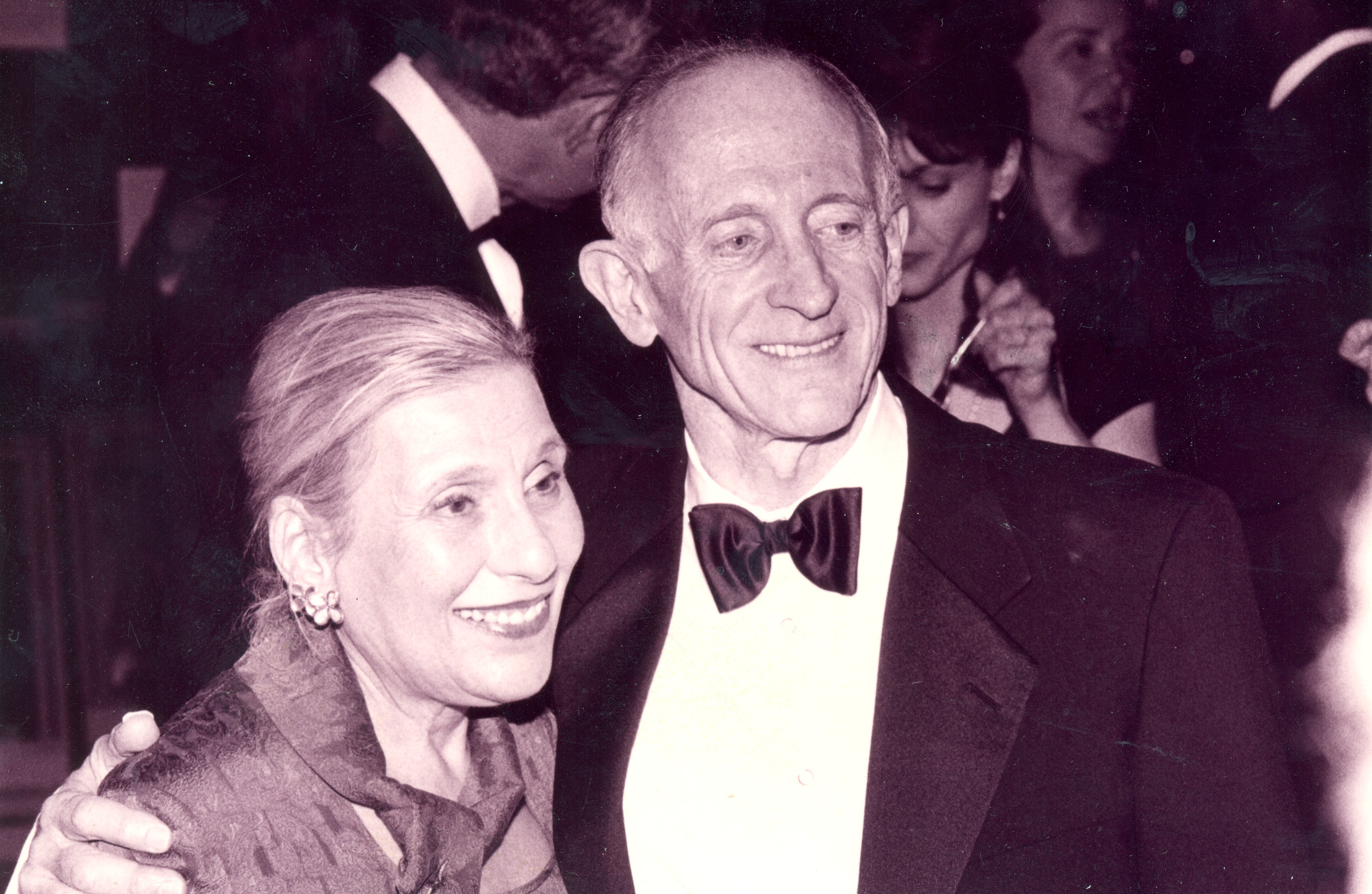
Born in Cincinnati, Ohio, George R. Carruthers (1939-2020) was a curious child who loved reading science fiction and learning about astronomy.
During an Innovative Lives series event at the Smithsonian Lemelson Center in 1999, he told students how he grew up wanting to be a rocket scientist and built a telescope at age 10.
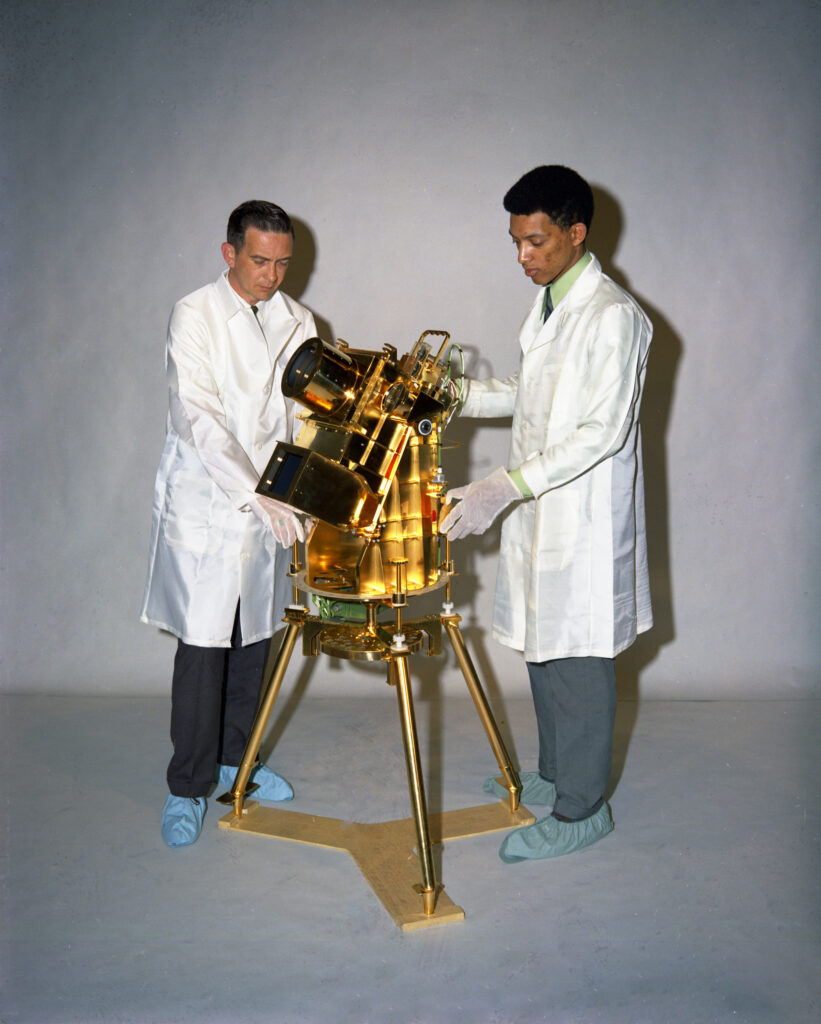
His early interest in science led to a Bachelor’s degree in Aeronautical Engineering in 1961, a Master’s in Nuclear Engineering in 1962, and a PhD in Aeronautical Engineering in 1964. That same year, Dr. Carruthers became a Research Physicist in the Space Science Division of the Rocket-Astronomy Program at the Naval Research Laboratory in Washington, DC.
His focus was on ultraviolet radiation and developing instrumentation to observe ultraviolet light from space that’s not visible to the human eye but integral to our understanding of space.
One of his notable contributions is the ultraviolet camera / spectrograph, which made history in 1970 when astronauts used it to capture photographs of the Earth’s atmosphere during the Apollo 16 space mission.
Dr. Carrutheurs received the 1987 Black Engineer of the Year Award, the 2012 National Medal of Technology and Innovation, and other accolades for his work and contributions to the field. He was also a member of Project SMART, supporting efforts to involve more Black educators and students in STEM.