





























Read the article by Rob Schneider Executive Director of The Lemelson Foundation
Celebrating the Impact of Black Inventors Past and Present
The ingenuity of Black innovators continues to shape modern life and expand the invention ecosystem
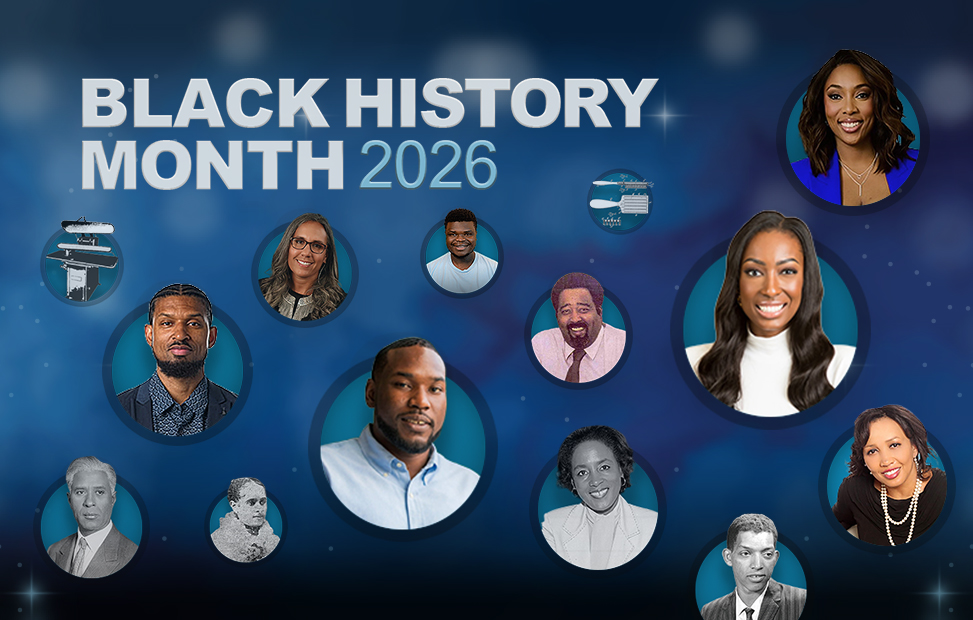
The history of Black innovation is filled with success stories that redefined what’s possible — from patents that transformed industries to products that pioneered new technologies and improved everyday life. It’s a legacy of innovation and groundbreaking ideas that solve challenges and create a better future for all.
In celebration of Black History Month, we invite you to learn about contemporary and historic inventors whose inventions have far-reaching impact.
Contemporary Inventors

Dieumerci Christel
Technology can be a path for educators looking to connect cultures and classrooms to better support their students. Building this bridge comes naturally to Dieumerci Christel, the founder and CEO of Enlightapp, who arrived in the U.S. at age 13 after living in a Tanzanian refugee camp since birth. His online platform aims to reimagine education by boosting students' voices, fostering connections with teachers, and propelling them to their full potential.

Aisha Bowe
Aisha Bowe is an aerospace engineer, entrepreneur, citizen astronaut, and former NASA rocket scientist. In 2013, she founded two companies: STEMBoard, focused on technology advisory services, and LINGO, focused on education technology. LINGO offers self-paced coding kits designed to gamify complex concepts and strengthen problem-solving skills, creativity, and confidence for students in middle school through college.

Bosco Kante
Before he was a Grammy-award winning producer and entrepreneur with a stage name of Bosko, Bosco Kante was a high school student in the Oregon MESA invention education program. He was inspired to pursue an engineering degree, and then turned his passion for music and technology into a successful, multifaceted career as a music producer, engineer, inventor, and entrepreneur. His invention of the ElectroSpit ESX-1 — a portable phone-enabled talkbox device that amplifies speech audio into musical sound — has been used in tracks by globally recognized artists.

Lisa Gelobter
Lisa Gelobter is a pioneer in the digital space, as well as CEO and co-founder of tEQuitable, a platform that helps address bias in the workplace. Her work in internet technology laid the foundation for modern multimedia online and streaming services. She is a leader dedicated to creating a more inclusive world, serving on boards that work on civil rights and social action.

Jessica Matthews
Innovation in sustainability is the way to the future. Jessica O. Matthews, CEO and Co-Founder of the tech platform Uncharted, is helping cities build more sustainable and equitable infrastructure. As a thought leader, inventor, and award-winning entrepreneur, she is at the forefront of modernizing infrastructure for better climate resilience and access to resources.
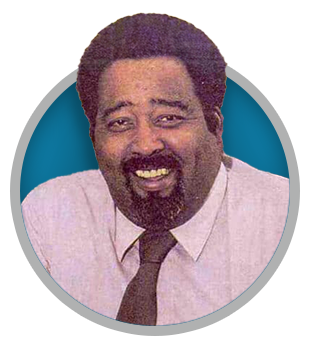
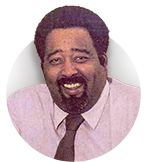
Gerald “Jerry” Lawson
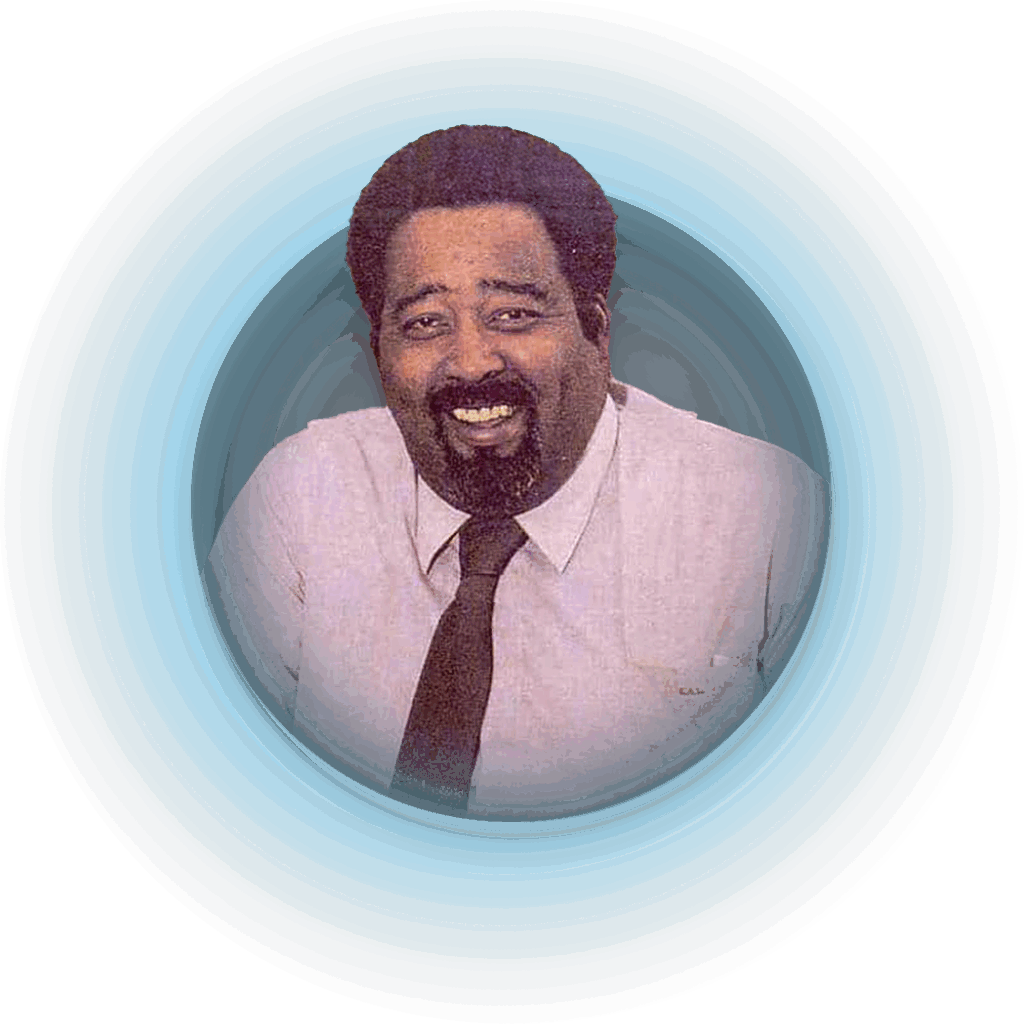
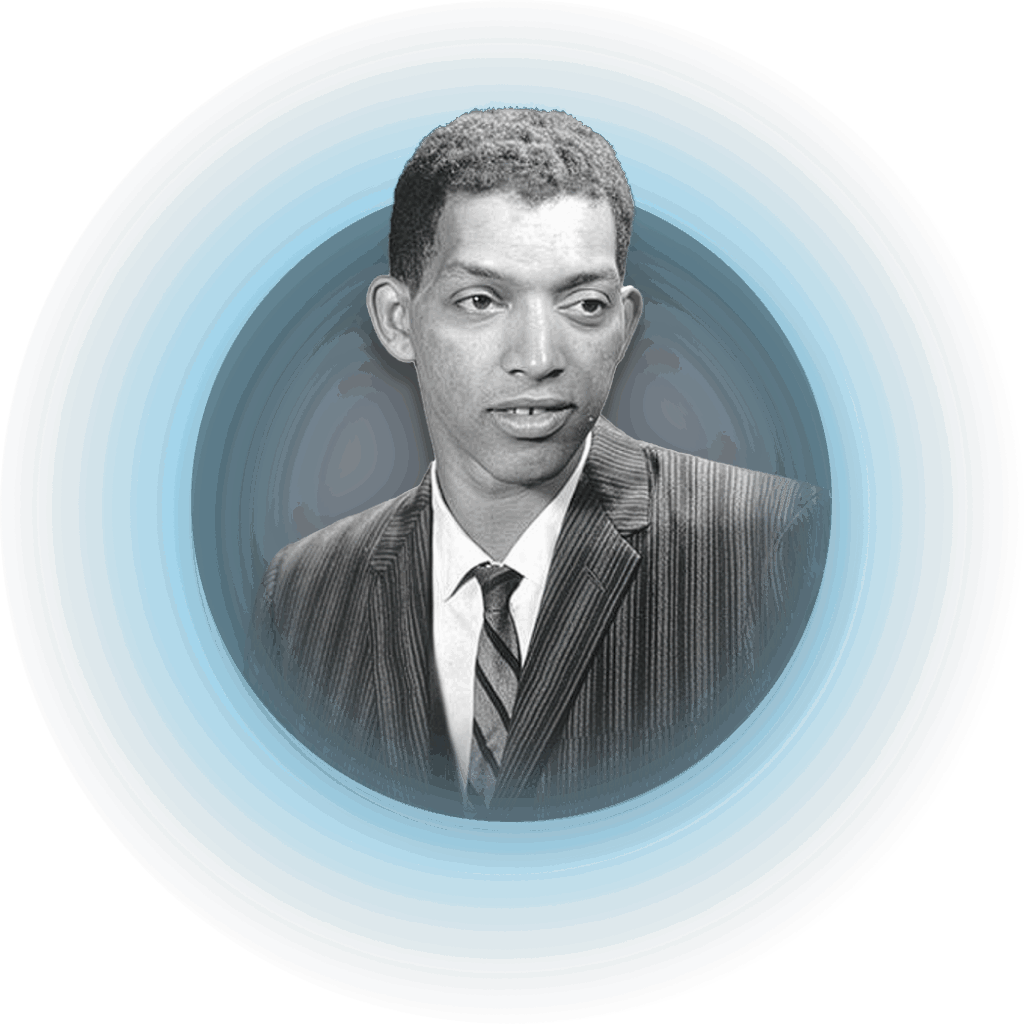
As an engineer and entrepreneur, Gerald “Jerry” Lawson (1940-2011) transformed the gaming industry. His Fairchild Channel F system, the first removable gaming card system, created new opportunities for game developers and improved consumer accessibility. As the “father of modern gaming,” his career is a source of inspiration for future game developers and innovators.

Janet Emerson Bashen
Janet Emerson Bashen is an entrepreneur, inventor, and founder of Bashen Corporation, an Equal Employment Opportunity (EEO) complaints management company. She invented Nalikah (previously LinkLine), a web-based Equal Employment Opportunity case management and tracking software system. In 2006, she became the first Black woman to receive a software patent for her invention.

Brandon Martin
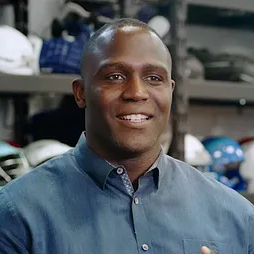
Brandon Martin is CEO of Reaction Technologies, a company using technology to improve athlete safety and performance. After seeing the tragic circumstances of a young athlete becoming paralyzed while playing football, Martin was inspired to invent a device to enhance player safety. This idea would become Reaction Technologies’ first product – the Heads‑Up™ Trainer Football Strap — designed to build player’s situational awareness and ensure they maintain proper form.
Historical Inventors
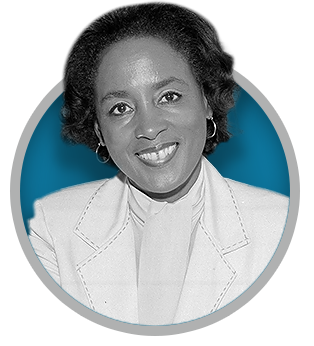
Annie Easley
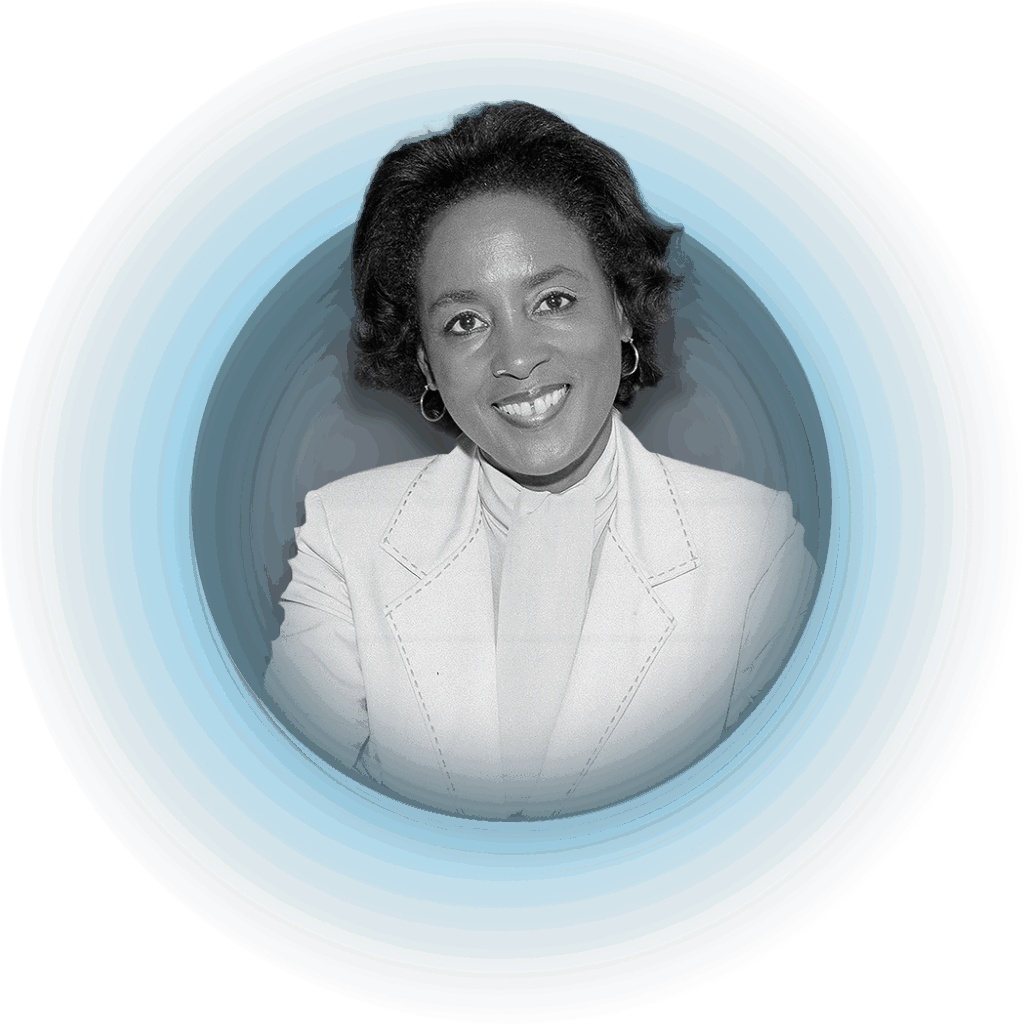
Annie Easley was a talented mathematician and computer scientist. As a ”human computer" at NASA, she solved complex engineering problems through manual calculations. Easley innovated along with space technology, developing coding software for energy conversion systems that were used to program rocket ships and vehicles.
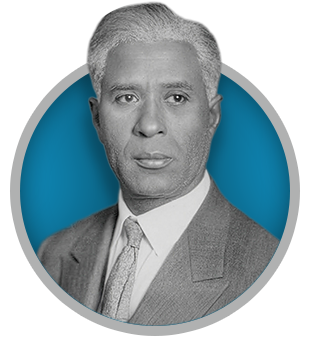
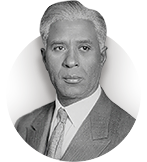
Garrett Morgan
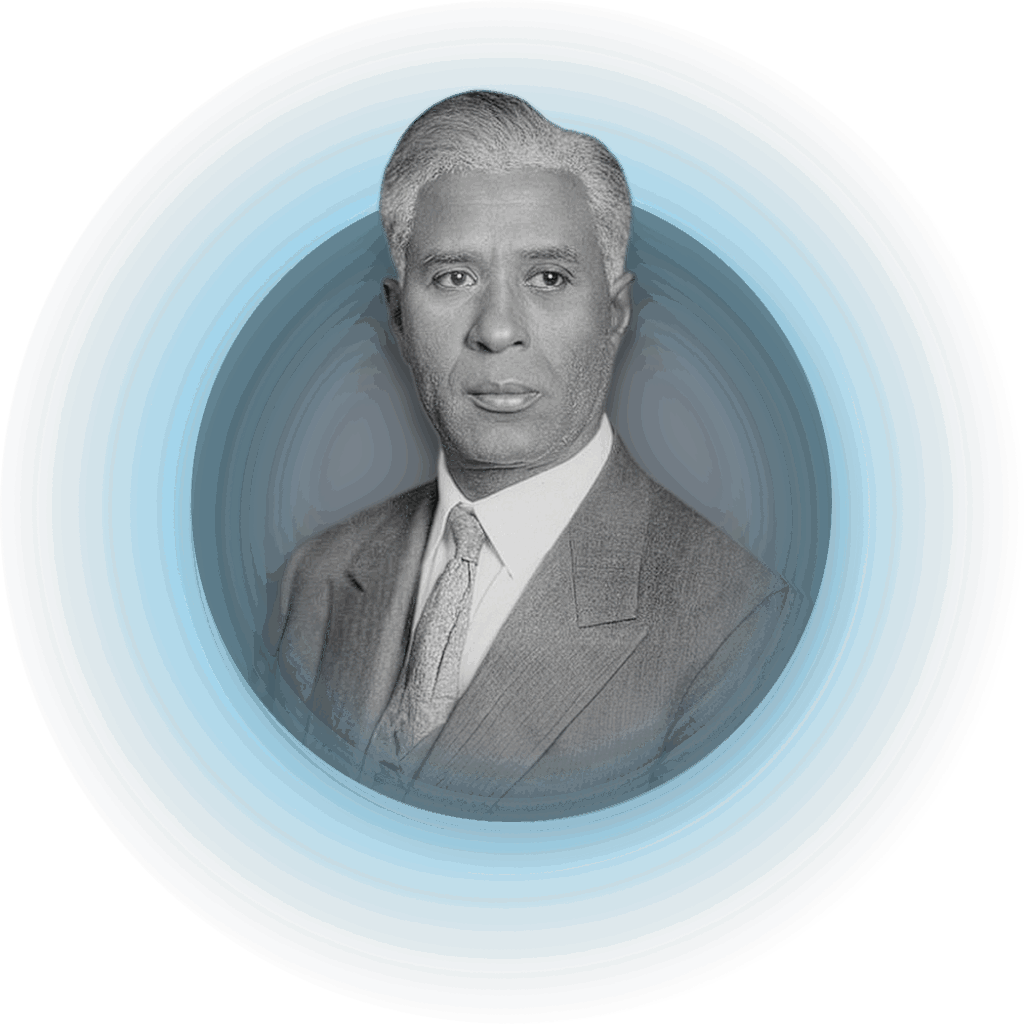
Inventor and entrepreneur Garrett A. Morgan dedicated his innovative work to improving public safety. His most celebrated inventions were the smoke hood to help firefighters safely enter a burning building, and the three-way traffic signal to improve safety at intersections. For his many contributions, he is often called the “Black Edison.”
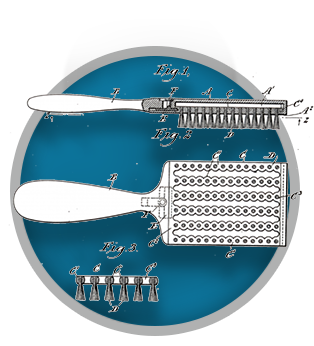
Lyda Newman
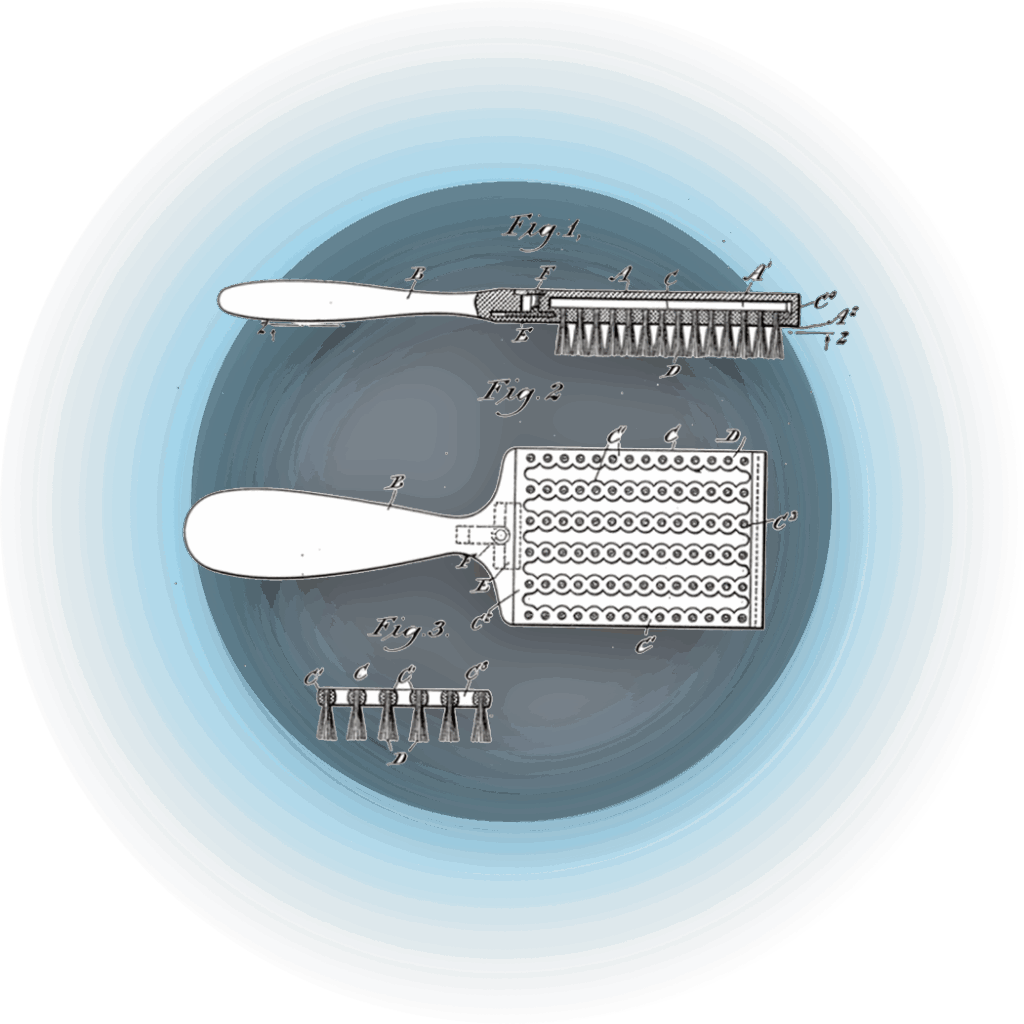
Lyda D. Newman received the patent for the first hairbrush with synthetic bristles in 1898. Her groundbreaking hairbrush design was more durable and easier to clean than other hairbrushes available during that time. She is credited with revolutionizing the hair care industry, paving the way for other Black inventors, and supporting the suffragist movement.
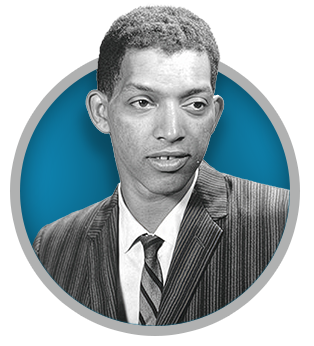
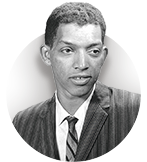
George Carruthers
George Carruthers was an aerospace engineer and research astrophysicist with the U.S. Naval Research Laboratory who led the team that invented the Far-Ultraviolet Camera/Spectrograph for atmospheric and interstellar research. In 1970, Apollo 16 astronauts used his invention to capture images of ultraviolet light in the Earth’s atmosphere for the first time.
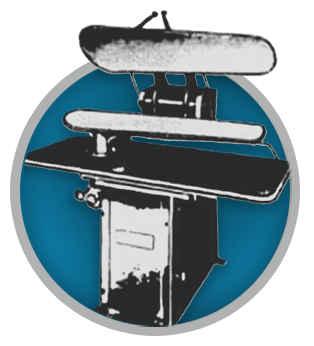
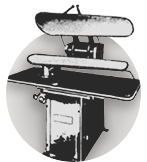
Thomas Jennings
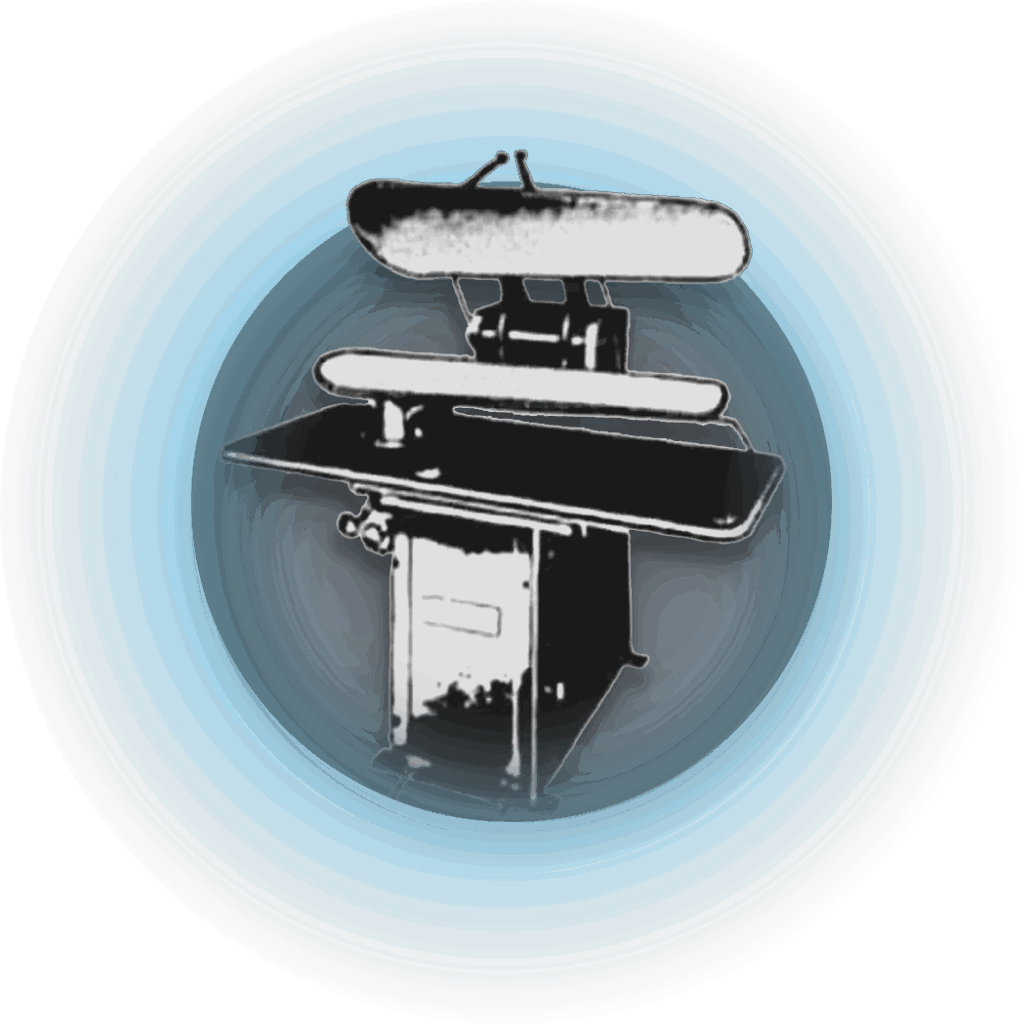
Thomas L. Jennings is considered the first Black inventor to hold a patent in the U.S. He was a tailor who operated his own business and developed the “dry scouring” method to remove dirt from clothes, an early dry cleaning method. He used the success of his invention and business to fund social causes for the Black community, including the abolitionist movement.
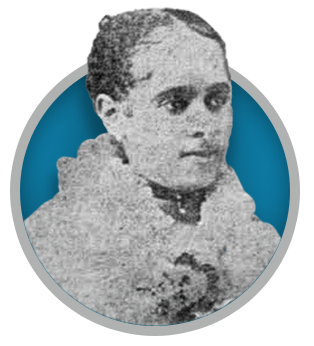
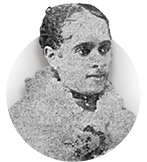
Miriam Benjamin
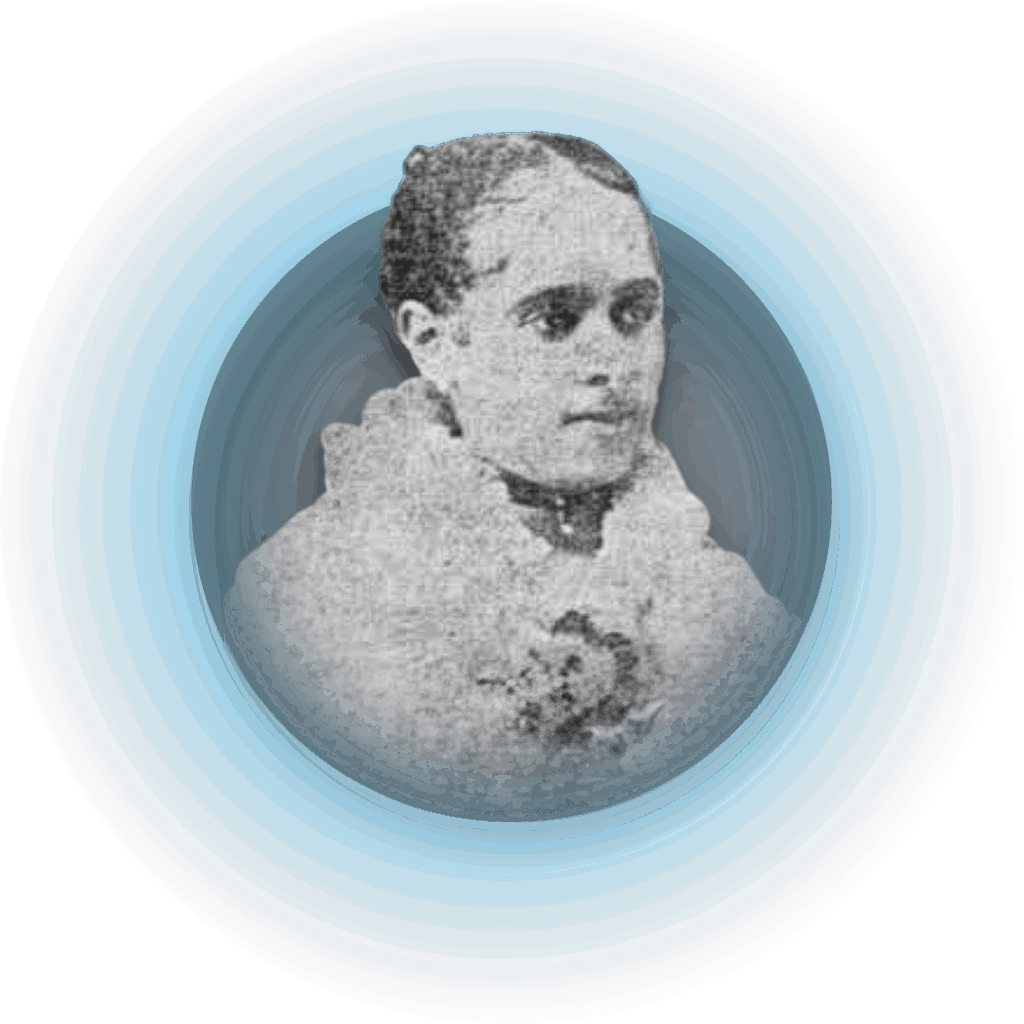
Miriam Benjamin was a barrier-breaking inventor and educator. She received a patent from the U.S. Patent and Trademark Office for her “gong and signal chair” invention in 1888, which allowed users to quietly call for the assistance of an attendant by pushing a button. She lobbied for her invention to be used in the U.S. House of Representatives as an easy way to call for messengers. She worked as a clerk in the federal government, and is believed to be one of the first Black women patent attorneys in the U.S.
Invention Notebook
Read the stories of inventors who are improving lives through invention.